

Menopause Risk Management for Managers
Practical training to help managers recognise and manage menopause-related workplace risks
Designed for construction, utilities, gas, engineering and other safety-critical workplaces, this interactive 2.5-hour course helps managers understand how menopause symptoms can interact with working conditions, job demands and existing workplace risks.



































About the course
This practical 2.5-hour course gives managers the knowledge and confidence to understand menopause at work, manage relevant workplace risks and support their people appropriately.
Participants learn how to identify relevant workplace factors, have sensitive conversations, consider proportionate controls and support their organisation’s Menopause Action Plan.
Deliver live online or in the workplace
2.5-hour interactive course
Up to 20 managers per cohort
Sector-specific scenarios and discussion exercises
Menopause risk-assessment prompts
Workplace-adjustment checklist
Supportive-conversation guide
Manager action plan
Attendance certificates
Optional CPD accreditation
Follow-up resources for participants
Why now?
Government guidance increasingly recommends organisations consider:
Manager training
Menopause risk assessments
Workplace adjustments
Occupational Health support
Relevant policies and procedures
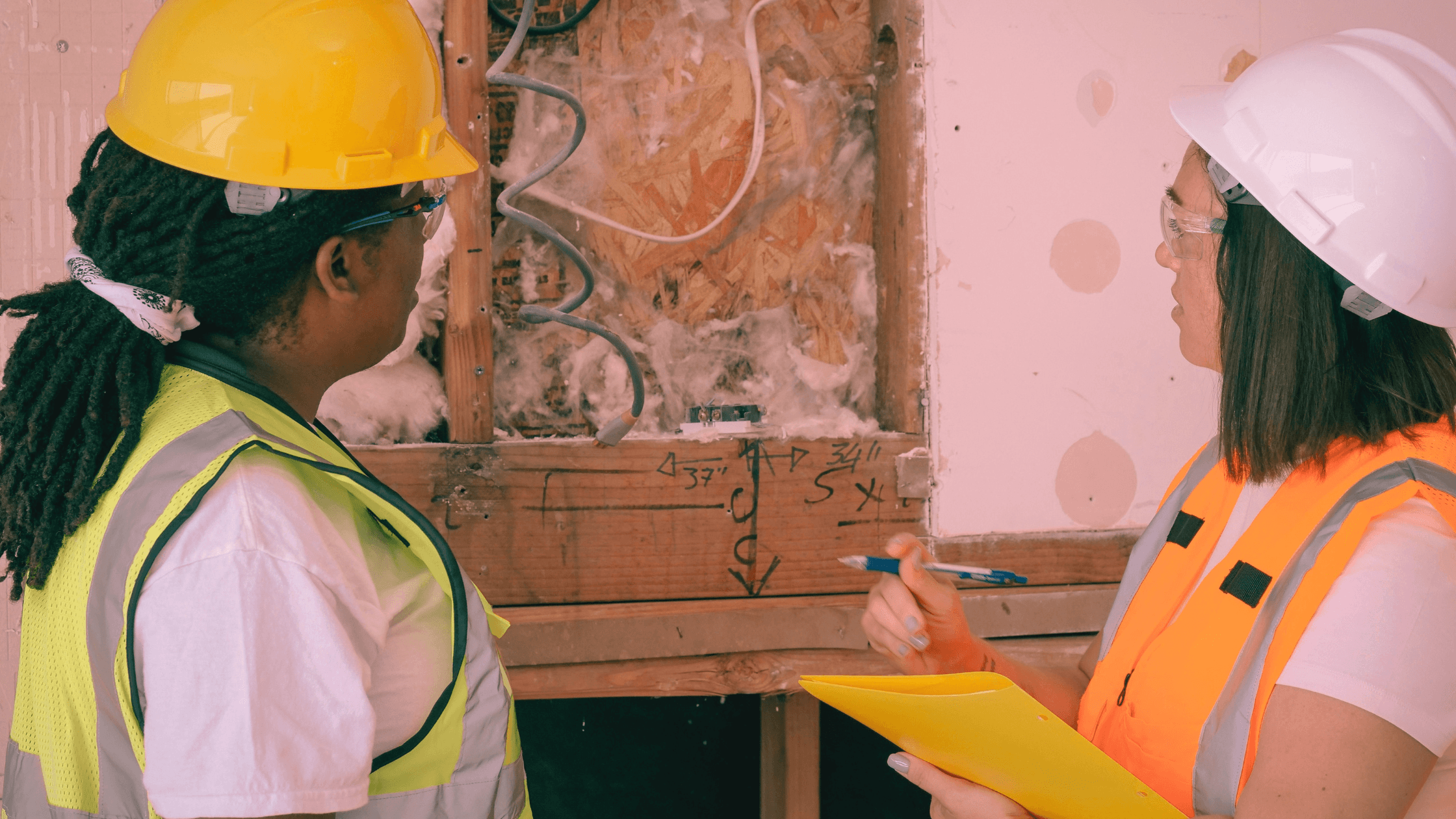
For safety-critical workplaces, this includes considering factors such as temperature, PPE, uniforms, welfare facilities, hydration, rest areas and working patterns.
2027: Menopause Action Plans are expected to become mandatory for organisations with 250+ employees, subject to legislation.
Menopause isn't a workplace hazard
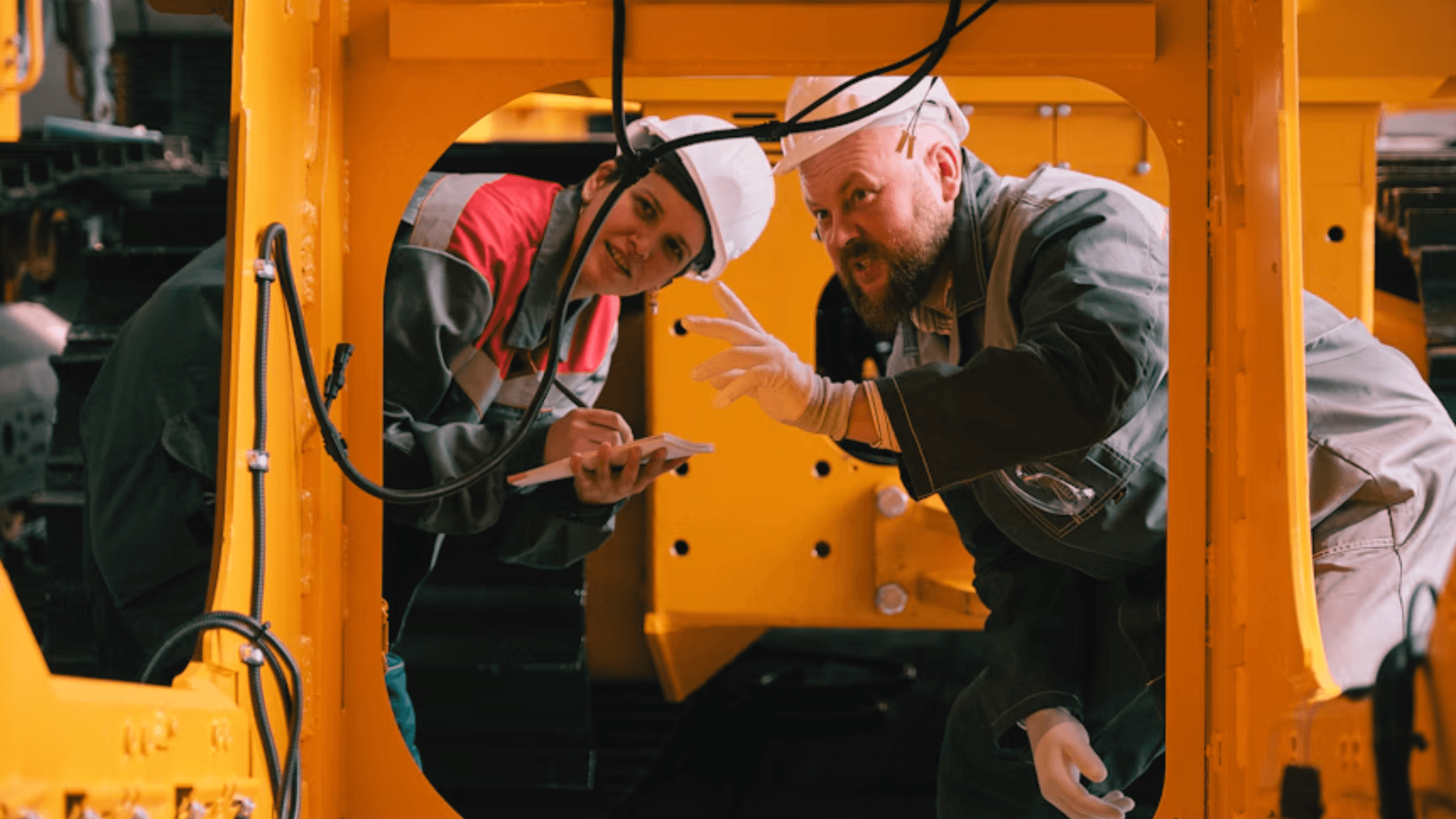
Menopause itself is not a workplace hazard, but the way work is designed and managed can influence how symptoms affect someone at work.
Relevant factors may include:
Heat and physically demanding work
PPE and restrictive uniforms
Shift work and fatigue
Driving and lone working
Machinery and safety-critical tasks
Working at height
Access to toilets, washing facilities and drinking water
High workloads and limited recovery time
Management support and workplace culture
Our approach helps managers consider the person, task, environment and management arrangements together, rather than making assumptions about an employee’s capability or safety.

Who is the course for?
This course is designed for people responsible for people, operations, health and safety or workplace risk.
Health & Safety managers
Line managers and supervisors
Site and project managers
Operations managers
Fleet and transport managers
HR and People professionals
Occupational Health teams
Wellbeing and inclusion leads
Senior leaders responsible for workplace risk
Construction, Utilities, Gas, Engineering, Manufacturing, Transport, Logistics and Field Services
What will managers learn?
By the end of the course, participants will be able to:
Understand menopause
Explain why menopause may be relevant to workplace health and safety
Understand common physical, cognitive and psychological symptoms
Recognise how menopause can affect people at work
Manage workplace risk
Recognise how symptoms may interact with workplace hazards and job demands
Apply the Person, Task, Environment and Management framework
Identify when an existing risk assessment may need to be reviewed
Consider proportionate controls and workplace adjustments
Take practical action
Hold sensitive and psychologically safe conversations confidently
Understand when to involve HR, Health & Safety or Occupational Health
Avoid discriminatory assumptions about capability or safety
Support their organisation’s Menopause Action Plan
Record, monitor and review agreed actions appropriately

What does the course cover?
-
Build a practical understanding of perimenopause, menopause and postmenopause, including physical, cognitive and psychological symptoms.
Explore why experiences vary and why menopause can be relevant to the workplace.
-
Look at why menopause is more than a wellbeing issue in some working environments.
Explore the difference between a symptom and a workplace risk, and introduce the Person, Task, Environment and Management framework.
-
Explore practical examples of how menopause symptoms may interact with:
Fatigue, shift work and driving
Concentration and safety-critical decisions
Heat, physical work and PPE
Heavy bleeding and access to welfare facilities
Joint pain and manual handling
Anxiety, workload and psychological safety
Lone, remote and site-based work
-
Explore the organisational responsibilities and guidance relevant to menopause at work, including:
Health and Safety at Work etc. Act 1974
Management of Health and Safety at Work Regulations 1999
Workplace welfare requirements
PPE responsibilities
Working time and fatigue
Equality Act 2010
Reasonable adjustments
Government menopause action-plan guidance
-
Learn how to:
Consider menopause within existing risk assessments
Identify relevant hazards and barriers
Apply proportionate controls
Review factors such as temperature, ventilation, welfare and PPE
Consider shift, workload and task adjustments
Understand when Occupational Health input may help
Record and review arrangements
-
Build confidence to:
Start a conversation without diagnosing
Ask appropriate questions
Maintain confidentiality
Understand what language to avoid
Explore practical support
Apply learning to realistic, sector-specific scenarios
Develop an action plan
The course framework
Person
Symptoms, individual circumstances and what the employee says would help
Task
Physical, cognitive, time-sensitive and safety-critical demands
Evironment
Heat, noise, lighting, PPE, uniforms, welfare facilities and isolation
Management
Shifts, workload, breaks, staffing, supervision and workplace culture
Meet the trainers
Victoria Brookbank
Workplace wellbeing specialist, mindfulness teacher, psychotherapist and Founder of Minds That Work.

Haley White
Founder of Menospace and Co-Chair of the Society of Occupational Medicine’s Women’s Health at Work Network.

Behind MenoMinds are Haley White and Victoria Brookbank, two nationally recognised specialists in menopause, workplace wellbeing and mental health.
Combining decades of professional expertise with lived experience, they have supported hundreds of women and partnered with organisations across the UK to create more informed, compassionate and menopause-inclusive workplaces.
Ready to help your managers respond with confidence?
Give your managers the knowledge and tools to understand menopause, manage workplace risk and take practical action.