
Understanding menopause, without the noise
Menopause can leave you wondering what's happening to your body, your mind and where to turn for trusted support.
MenoMinds brings together trusted education, practical wellbeing support and a welcoming community, so you can feel informed, supported and more like yourself again.
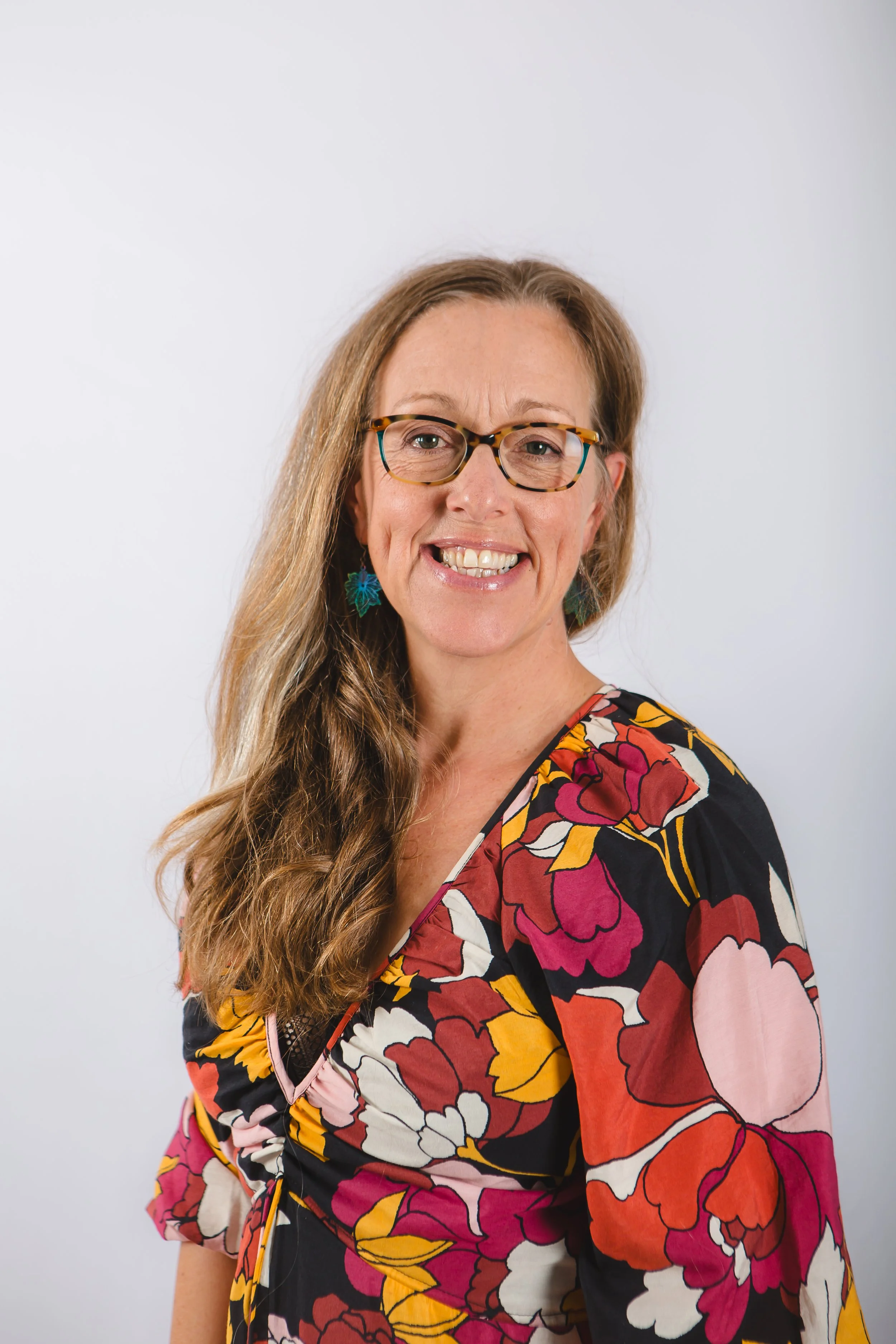
Victoria Brookbank
Victoria Brookbank is a workplace wellbeing specialist, psychotherapist, and mindfulness instructor.
She’s the founder of Minds That Work and has spent 14 years in the mental health space supporting organisations like the NHS, Network Rail, the police force, local government and universities to build mentally healthy workplace cultures.
Around 45, Victoria noticed her focus fading and anxiety rising, changes that didn’t respond to the usual wellbeing tools she’d taught for years. When a GP finally mentioned perimenopause, it connected dots she didn’t even realise were missing. That insight lifted years of self-blame and became the spark for MenoMinds.
-
I’ve worked in mental health for most of my career, first as CEO of a mental health charity, and now as a business owner helping others manage stress and wellbeing at work. I thought I understood the mind inside out.
But around 45, something changed. My focus vanished. My patience shrank. My confidence quietly left the room. I’d forget what I was about to say in training sessions or lose track of what I was meant to be doing next. As someone who’s lived with anxiety and depression since my teens, I recognised those patterns, but this time, they were sharper and more unpredictable.
When a locum GP finally mentioned the word perimenopause, I was stunned. I realised that even as a mental-health professional, I had a huge blind spot. I knew the tools, but I’d never connected hormones with how my brain was functioning.
Moving from London to Devon helped calm my nervous system, but what truly helped was community and finding other women who said, “Me too.” It reminded me that I wasn’t broken; I was changing.
Now, that experience shapes everything I do. I want women to have the knowledge, language, and support I wish I’d had earlier, before the panic, self-doubt, and shame set in.
“Even with all my training, I wasn’t prepared for this.”
Today, Victoria co-leads MenoMinds, designing and delivering evidence-based sessions that help women understand what’s happening to their bodies and minds and rediscover their confidence.
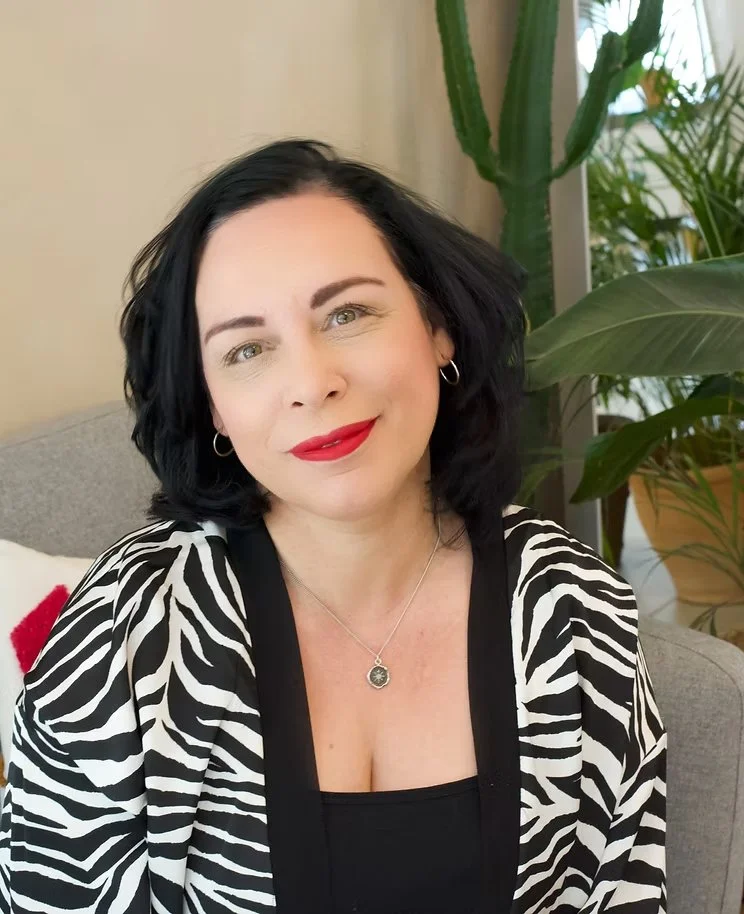
Haley White
Haley White is the Co-Founder of MenoMinds, a mental health in menopause initiative helping women, small business owners and organisations better understand and respond to the emotional, psychological and workplace impact of menopause.
She is also the Founder of Menospace, a workplace training and consultancy organisation helping employers create practical, inclusive and legally aligned menopause support.
With over 15 years’ experience delivering workplace wellbeing training and a Master’s degree in Organisational Psychology, Haley combines evidence-based learning with practical workplace insight. Her work focuses on helping organisations move beyond awareness and towards meaningful action through manager training, menopause champion training, policy guidance, menopause action planning and wider cultural change.
Haley is also Co-Chair of the Society of Occupational Medicine’s Women’s Health at Work Network, where she contributes to wider conversations around women’s health, work, inclusion and organisational responsibility.
Through MenoMinds and Menospace, Haley works with employers and communities to build confidence, reduce stigma and support the wellbeing, retention and progression of women at work.
-
When the 2020 lockdowns began, I was 40 and working across London, running wellbeing and mental health sessions for corporate clients. Then my own wellbeing changed. I started forgetting words, losing focus, and feeling sudden, overwhelming anxiety. After months of tests, a consultant told me I was perimenopausal — at 41.
I was completely shocked. I’d never even heard the word perimenopause before. Like so many women, I thought menopause was something that happened much later in life.
Coming from a wellbeing background, I couldn’t believe how little awareness there was. When I found a survey showing that one in ten women were leaving work because of menopause, I decided to do something about it. That’s how Menospace began. I wanted to help organisations understand menopause properly and support their people better.
But as I worked with companies across the UK and beyond, one gap kept appearing: the mental health impact of menopause still wasn’t being discussed. And as a founder working largely alone, I was feeling that gap myself.
That’s when I connected with Victoria. Together we created MenoMinds and combined menopause education with mental health support so women could feel seen, informed, and steady again.
We designed MenoMinds because it’s all connected: hormones, mood, confidence, cognition. When women understand what’s happening, the shame lifts and they start to feel like themselves again.
“I’d spent years teaching workplace wellbeing, but no one was talking about this.”
Today, Haley continues to train organisations across sectors while co-leading MenoMinds, ensuring no woman navigating menopause must do it unsupported or unseen.
Why we exist
Their professional backgrounds gave them tools and insight, but their lived experiences gave them purpose.
Both found themselves facing symptoms they couldn’t explain: anxiety that didn’t respond to the usual techniques, brain fog that disrupted work they’d once done effortlessly, and a growing sense that something was missing from the wellbeing conversation.
That “missing piece” became their shared mission: to close the gap between menopause education and mental health support, especially for women running their own businesses, where there’s no HR department, paid leave or safety net to fall back on.
Together, they bring compassion, credibility, and hard-won understanding to every session they deliver.
They’ve lived what they teach, and they’ve turned that experience into a programme that helps women feel calm, confident, and capable again.
It's the community Victoria and Haley wish they'd had, and the one they're proud to build for other women today.
What we believe
Everything we do is guided by a simple set of principles.
Expert-led
All of our education is delivered by qualified professionals with over 30 years of combined expertise in menopause, mental health and wellbeing.
Evidence-informed
We combine the latest research, professional expertise and lived experience to provide balanced, trustworthy guidance women can rely on.
Practical
Simple strategies, tools and techniques that women can apply in everyday life, straight away.
Holistic wellbeing
We support emotional wellbeing alongside physical health because menopause affects every part of life.
Skills-based
We help women understand the connection between menopause, their thoughts, emotions, behaviours and wellbeing, giving them practical skills they can use with confidence every day.
Community
A welcoming place where women can ask questions, share honest experiences and realise they're not navigating menopause in isolation.
Ongoing
Support that continues long after a workshop or appointment has ended.
Inclusive
Every woman deserves to feel heard, respected and supported, regardless of her background or experience.
Psychologically safe
We create an environment where women feel comfortable asking questions (even the embarrassing ones), sharing experiences confidentially and learning without judgement.
What you’ll find here
Trusted education you can rely on.
Practical support that fits into real life.
Compassionate professionals who genuinely care.
Honest conversations and meaningful connection.
A welcoming community where every woman belongs.
What you’ll never find
Miracle cures or one-size-fits-all advice.
Pressure to get involved and attend every session.
Fear-based messaging.
Endless jargon or information overload.
Judgement if your experience looks different to someone else's.
Our approach
Practical tools. Honest conversations. Evidence-based support.
Every MenoMinds session is shaped by a simple, evidence-based model called CARE.
It helps you understand what’s happening to your mind, manage symptoms, and move forward with confidence, at your own pace, and in a way that feels doable.
Redesign
Equip
Cultivate
Anchor
C - Cultivate knowledge and awareness
We begin by exploring what’s happening biologically and psychologically during perimenopause. You’ll learn how hormonal changes can influence mood, motivation, sleep, and cognitive function and why symptoms like low mood, anxiety, brain fog, and low confidence are so common.
By understanding the science behind your experiences, you’ll gain perspective and language that turn frustration into clarity.
A - Anchor with practical tools
Next, we translate understanding into action. You’ll learn evidence-based techniques to manage anxiety, regulate stress, and reduce rumination. We share practical tools from mindfulness, CBT, and nervous-system science.
These anchoring practices help calm racing thoughts, ease tension, and support restorative sleep. Nothing complicated, no jargon, just realistic approaches that fit into daily life.
R - Redesign routines and boundaries
This stage focuses on reclaiming rhythm and rest. Together, we look at how disrupted sleep, fluctuating energy, and inconsistent focus affect your day-to-day life.
You’ll explore ways to redesign routines that support better sleep hygiene, sustainable workload management, and balanced energy so you can protect your focus without burning out.
We also discuss gentle boundary-setting and micro-recovery moments to help you function well even when nights are difficult.
E - Equip for the future
Finally, we help you plan for what comes next. You’ll leave with credible signposts: NHS resources, mental health charities, trusted menopause education, and recommended reading, plus your own wellbeing action plan.
We’ll help you identify small, achievable changes that sustain progress over time and remind you where to turn if things become harder again.
The MenoMinds Community
The MenoMinds Community is where honest conversations, practical support and genuine connection happen every day.
Ask the questions you haven't felt able to ask elsewhere. Learn from trusted experts, join live sessions, explore practical resources, share experiences with women who understand and find support on the days you need it most.
There's no pressure to have all the answers, no judgement and no expectation to "just get on with it". Just a welcoming community that understands where you are.
Why women choose MenoMinds
Founded by menopause and mental wellbeing specialists
Trusted, evidence-informed education and practical support
Live workshops, expert sessions and an ongoing community
A kind, judgement-free space where every experience is welcome
Knowledge. Confidence. Support.
That's what MenoMinds is all about.
Whether you're looking for answers, practical tools or simply a place where you can be yourself, you'll find a warm welcome here.
Join the community today, or explore one of our free workshops to get started.
Our funding partner

MenoMinds is funded through NEBOSH’s Social Purpose Programme: a global initiative created to make a meaningful difference to health and wellbeing at work.
NEBOSH, an internationally recognised charity and awarding body, is best known for its qualifications in health, safety and environmental management. Through its Social Purpose Programme, NEBOSH extends that mission beyond training and supports projects that reach people often missed by traditional workplace wellbeing schemes, including self-employed and freelance workers and those working in micro-businesses.
Thanks to NEBOSH’s support, every MenoMinds session is completely free to attend, with no hidden costs, no upsells, and no catch.
“Our Social Purpose Programme is about reaching people who might not otherwise have access to wellbeing support. MenoMinds is a great example of how collaboration can make that possible — improving understanding and changing conversations around menopause and mental health for self-employed women.”
— Mariyah Sader, Social Development Manager, NEBOSH