Perimenopause symptoms you might not expect and rarely hear about
The early signs of perimenopause can be subtle, confusing, and easy to dismiss. We explore the symptoms you might not expect, going beneath the surface to uncover what is often misunderstood and left unspoken.
You might think perimenopause is something that only causes a few predictable changes: irregular periods, hot flushes, and maybe some sleep disruption. You’ve likely heard about some of these symptoms already, and while they are part of the experience for some women, every perimenopause journey is different.
The early signs can be subtle, confusing, and easy to dismiss. Often, they’re explained as stress, burnout, or simply having too much going on. But what if there’s something else happening?
In this article, we explore perimenopause symptoms you might not expect. We go beneath the surface to share real experiences that are often misunderstood, unspoken, or overlooked.
We’ll cover:
What is often missed about perimenopause
Many of the symptoms people associate with menopause actually begin during perimenopause, sometimes years earlier than expected.
Perimenopause is the transitional phase before menopause, when hormone levels begin to fluctuate. These shifts can affect both the body and mind in ways that don’t always seem connected at first, such as changes in mood, sleep, focus, or energy.
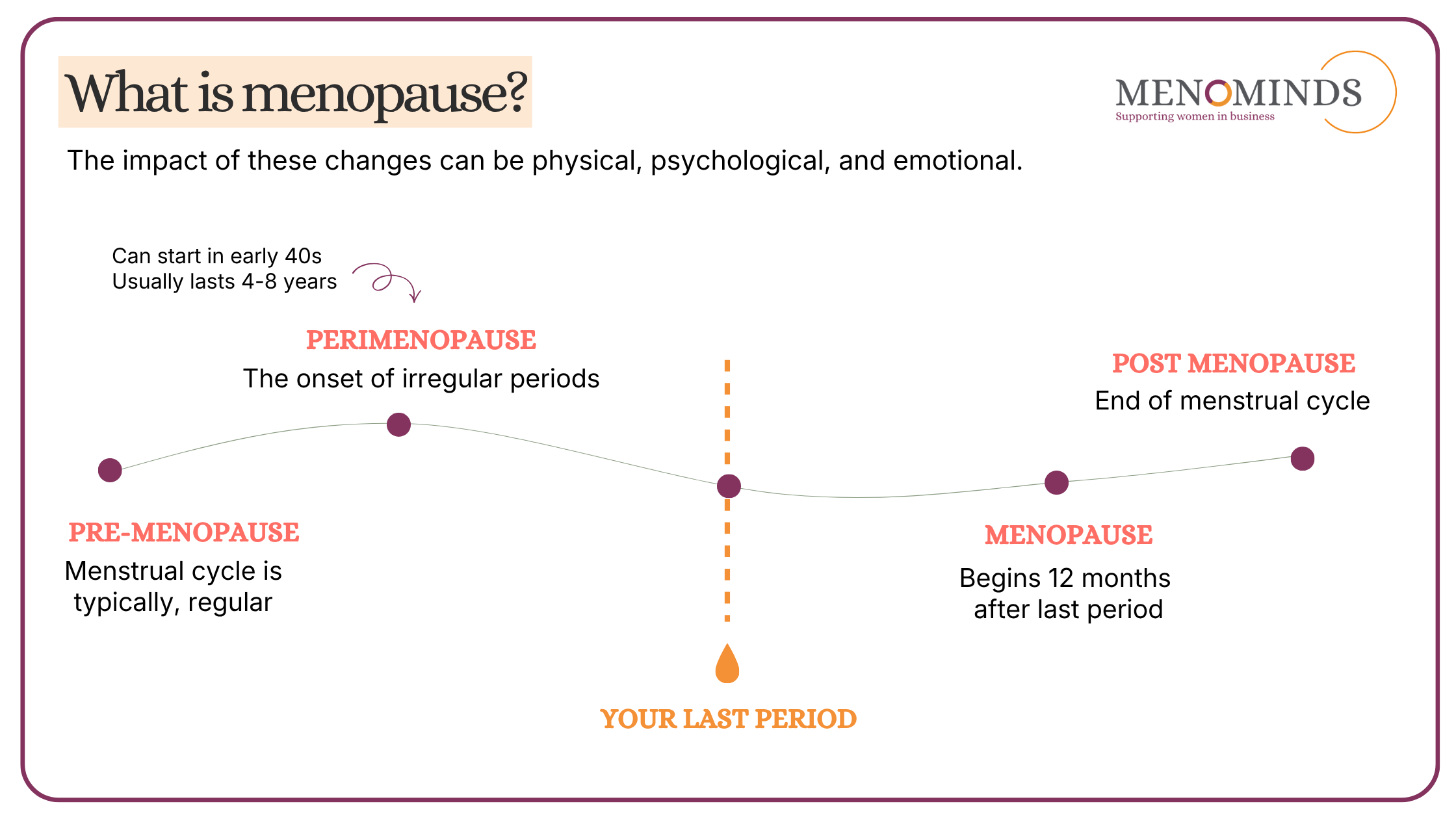
Because the changes are gradual and inconsistent, they’re often misattributed to stress, lifestyle pressures, or mental overload. What’s often missed is the bigger picture: these seemingly unrelated symptoms can be part of the same hormonal transition.
For many women, it’s only in hindsight or through conversations with others sharing similar experiences that the pattern begins to make sense.
Cognitive changes: when your mind feels different
Many women talk about this, and for good reason. A Newson Health survey of almost 6,000 women found that around 90% reported experiencing cognitive symptoms, making this one of the most common effects of perimenopause.
“Brain fog” isn’t a medical term, but it’s often used to describe experiences such as forgetting words mid-sentence, losing track of what you were doing, or struggling to concentrate on tasks that once felt easy. Some women describe it as “feeling like my brain is made of cotton wool.”
Alongside this, you may also notice reduced concentration and decision fatigue, where focusing for long periods feels harder, and even small decisions become more draining than before. This can feel particularly noticeable if you’re self-employed or running a business, where decision-making is constant and usually one of your main priorities.

For some, this goes beyond mild or occasional forgetfulness and can feel genuinely debilitating. Fluctuating oestrogen levels can affect memory, focus, and cognitive processing, creating a sense of mental disconnection that’s difficult to explain.
It’s not uncommon for women to feel unsettled by these changes, especially when cognitive clarity has always been a strength. Some describe it as so disorienting that they begin to worry something more serious might be going on.
Many of us are used to pushing through pressure and maintaining high levels of resilience. However, perimenopause often calls for a different approach, one that prioritises recovery, realistic pacing, and self-awareness.
Emotional changes: when you can’t explain your reactions
Unexpected anxiety or low mood
From unexpected anxiety and overwhelm to low mood and depression, many women don’t immediately connect these experiences with perimenopause. While some may be aware that fluctuating hormone levels can impact emotional wellbeing, this link is still often under-recognised.
Research has highlighted the wide range of mental health experiences during this time. Some women report feeling hopeless, overwhelmed, or as though they have nothing left to give, while others describe thoughts of not wanting to be alive, and in some cases, suicide attempts.
These experiences underline just how significant the emotional impact of hormonal change can be. For women who usually see themselves as emotionally steady, this can feel unfamiliar and unsettling. For those already navigating mental health challenges, symptoms may intensify and become harder to manage.
Increased irritability or emotional reactivity
You may notice shorter patience or stronger reactions to situations that previously felt manageable. Small frustrations can suddenly feel overwhelming, with emotions rising quickly and taking longer to settle.
This can show up in work conversations, client interactions, or everyday life, particularly in moments of pressure, overstimulation, or feeling misunderstood. It may also bring a sense of confusion or self-judgement, especially when your reactions feel out of character.
For many women, this shift can feel unsettling at first. But it’s often less about a personality change and more about a heightened nervous system sensitivity to stress and hormonal fluctuation.
Self-doubt and loss of confidence
One of the most difficult emotional shifts is a quiet loss of confidence. You may begin questioning your abilities, even when your skills and experience remain unchanged.
This can lead to self-doubt and increased negative self-talk, particularly for women in business, where confidence is closely tied to decision-making and leadership. Many find themselves questioning their direction, their worth, or even considering major career changes.
In many cases, this is not a loss of capability. It is a shift in how your system is responding to hormonal change.

Physical changes that don’t always seem connected
Physical symptoms are often the ones women expect first, but in reality, they aren’t always obvious. Instead, the physical symptoms of menopause can feel disconnected, inconsistent, and difficult to explain. You might notice small changes at first, or experience symptoms that don’t seem to “fit together,” making them easy to dismiss or attribute to something else.
Over time, these physical shifts can begin to affect how you feel day to day, not just in your body, but in your energy, confidence, and ability to function at work and in life.
If you’re navigating some or all of these symptoms, please know you’re not alone. Research shows that between 80% and 90% of women experience symptoms during perimenopause and menopause, with around a quarter describing them as severe. While hot flushes and night sweats are often the most talked about, many women experience a much wider range of symptoms, some of which can last for years.
In fact, for around a third of women, symptoms can continue for seven years or more, and many report experiencing multiple symptoms at the same time, often with little warning or explanation.
Fatigue that doesn’t match your lifestyle
You may feel unusually tired, even when nothing obvious has changed. This is not just about workload; hormonal fluctuations can directly impact energy regulation.
Sleep disruption
You may experience difficulty falling asleep, waking during the night (often due to night sweats), or waking up feeling unrefreshed, regardless of how long you’ve slept. Over time, disrupted sleep can have a knock-on effect on mood, focus, patience, and resilience, making everything else feel harder than it needs to be.
Joint aches and muscle stiffness
Aches and stiffness may appear unexpectedly and are often mistaken for ageing or overexercising. This might be the most noticeable after long periods of sitting down, when you first wake up or during exercise and everyday movement. For some women who have lived an active lifestyle, this can be really frustrating.
Digestive changes
Bloating, changes in appetite, or digestive discomfort can also be linked to hormonal shifts. These symptoms can feel unpredictable and may fluctuate, making them difficult to pin down, manage, and monitor.
Heart palpitations
A fluttering or racing heart can feel alarming, even if brief. Many women may link this to their experiences of anxiety, but if this happens frequently or feels concerning, it’s always worth speaking to a healthcare professional.
Temperature sensitivity
This includes more than hot flushes. You might feel suddenly too hot or too cold at unexpected times throughout the day.
Headaches and migraines
Headaches and migraines can be worse than usual and, in some cases, become debilitating.
Changes in dental health
You may notice increased sensitivity in your teeth, along with painful gums or other changes in your oral health. Although less commonly discussed, hormonal changes can affect gum health and overall oral comfort.
Changed body shape and weight gain
Weight gain and changes in body shape can be among the most unsettling symptoms for many women. More than half of women experience some form of weight change during perimenopause. On average, women may gain around 1.5kg per year during this time, with a total average weight gain of around 10kg.
As oestrogen levels decline, the body becomes more prone to storing visceral fat (fat around the internal organs), particularly around the abdomen, rather than the more evenly distributed fat seen earlier in life.
However, it’s important to recognise that a combination of factors influences weight changes during perimenopause. Movement, nutrition, sleep, and overall lifestyle all play a role, but these may need to be approached differently as your body changes.
A pattern that’s easy to miss
What makes these symptoms particularly challenging is that they don’t follow a clear or consistent pattern. It’s not a simple tick-box experience; not every woman will experience the same symptoms, or experience them all at once. Instead, symptoms can appear gradually, come and go, and often don’t seem obviously connected. This is often why perimenopause can go unrecognised for such a long time.
Every day changes that can catch you off guard
Some of the most surprising symptoms are the ones that show up in everyday life, subtle shifts that don’t always seem noticeable or significant on their own, but can gradually begin to affect how you feel day to day. These changes are often less talked about; they can feel confusing and easy to dismiss when they do appear.
Changes in skin, hair, or nails
You may notice dryness, thinning hair, changes in texture, or fine lines becoming more noticeable. Skin can feel less hydrated or more sensitive, and you may experience rashes or itchy skin. Some women describe itchy skin as feeling like “insects crawling over the skin,” also known as formication, while hair may feel finer or less full than before. These changes can feel unexpected, particularly if you’ve always had a consistent routine that has worked well for you.
Eye dryness or vision changes
Some women experience dry eyes or subtle vision changes. This can be noticeable if you wear contact lenses or glasses, or spend long periods looking at screens. You might find your eyes feel more tired, irritated, or strained than usual.
Food cravings or energy crashes
Hormonal fluctuations can affect how your body regulates blood sugar, which may lead to sudden dips in energy or cravings throughout the day. This can feel unsettling and may feel like a loss of energy, especially if your usual routines no longer have the same effect.
Changes in your sense of smell
Your sense of smell may change, and certain smells may feel heightened, while your ability to detect other scents may feel reduced or less consistent than usual. For example, your favourite perfume may suddenly make you feel nauseous. These changes are linked to fluctuating hormones, which can affect the sensory pathways between your brain and your senses.
Lower stress tolerance
Perhaps one of the most significant shifts is a change in how much you can comfortably manage. Things that once felt manageable may now feel overwhelming or take longer to recover from. You may find your capacity for pressure has reduced, even if your responsibilities haven’t.
This can be particularly difficult if you’re used to coping well under pressure or handling a lot, both in your work and personal life. Rather than a loss of resilience, this is often a sign that your system needs a different kind of support.
Body odour
Changes in body odour are also common during perimenopause. You may notice that your natural scent feels stronger than usual, or that it fluctuates at different times throughout the day. This can be partly linked to hormonal changes, including hot flushes and night sweats, which can increase sweating and affect how your body smells, particularly during the night or in warmer moments of the day.
Changes in libido and vaginal health
You may notice changes in your libido, either a reduced interest in sex or a shift in how you want to experience intimacy. For some women, this can feel confusing, embarrassing, or difficult to talk about, particularly if it doesn’t feel like “you.”
Alongside this, physical changes such as vaginal dryness, discomfort, or increased sensitivity can also occur during sex. These changes are linked to fluctuating oestrogen levels and are a common part of perimenopause, even though they are rarely spoken about openly. For many women, this can affect not only physical comfort, but also confidence, relationships, and how they feel in their own body.
Sensitive and painful nipples
Sore breasts and discomfort around the nipples can be common during perimenopause. Oestrogen has a direct effect on breast tissue and the skin surrounding the breast. While some women may have previously experienced this during their period or PMS, it can also occur as a result of hormonal fluctuations during perimenopause.
Making sense of it all
When these symptoms start to show up, it’s easy to blame them on stress, sleep, or simply a sign of “getting older.” However, when you begin to connect the dots and become more aware of the symptoms and your experience, a different picture can emerge.
These symptoms aren’t random, and they are not a reflection of your or anyone else’s ability, resilience, or strength. They are part of a natural, though often under-discussed, physiological transition.
You are not alone, and you don’t have to figure it out alone
If you recognise yourself in any of these experiences, it may be a sign that perimenopause is already part of your journey. While that can feel unsettling at first, it can also be the beginning of something important: understanding your body in a new way.
At MenoMinds, we see this every day: women connecting the dots, making sense of what they’ve been experiencing, and finding practical ways to navigate it, particularly in the context of work and self-employment.
You don’t have to push through or figure it out on your own. There is support available, and there are ways to feel more like yourself again. Start by joining a free CPD-accredited Mental Health in Menopause MenoMinds workshop. Virtual, confidential, and a safe space for women to share, learn, and connect, we’d love to see you there.
Important note:
We are not clinicians and cannot diagnose depression or other mental health conditions. If you’re having thoughts of harming yourself, or you feel like you can’t keep yourself safe, seek urgent help. Contact NHS urgent services, your GP, or a crisis service such as SHOUT (text 85258 in the UK). If you’re in immediate danger, call 999.
Seeking support
If symptoms persist, worsen, or begin to feel overwhelming, it is important to seek professional support. Speaking to your GP can be a helpful first step in understanding what you are experiencing and exploring treatment or support options. We also recognise that not all women feel ready to take this step, or may have had previous experiences that make this difficult.
If you ever feel unable to keep yourself safe, or you are experiencing thoughts of self-harm or suicide, please seek urgent help. You can contact your GP, call NHS 111, or reach out to Samaritans on 116 123 (free, 24/7) or jo@samaritans.org. If you are in immediate danger, call 999 or go to your nearest A&E.