Life after menopause: The next chapter no one really talks about
Life after menopause is rarely discussed. Women’s health specialist Sarah Darwen guides you through how the body shifts, what it means for your wellbeing, and how to embrace this powerful next chapter.
Key takeaways:
Post-menopause is a distinct and often overlooked life stage.
The body continues to adapt hormonally beyond menopause.
This phase can bring both physical and emotional shifts.
Lifestyle and daily rhythms play an important role.
With the right understanding, this can be a powerful life chapter.
When menopause is talked about, the spotlight almost always sits on the transition itself.
We hear about hot flushes, sleepless nights, mood swings and the rollercoaster of perimenopause. We talk about the moment periods stop and the milestone of reaching menopause, defined medically as twelve months after your last bleed.
And then, somehow, the conversation fades away. Yet for many women, the years that follow menopause are not a brief closing chapter. They are often one of the longest seasons of life – many women live thirty or even forty years after menopause.
That is not a small afterthought. It is an entire landscape of life that we are rarely prepared for.
What many women discover is that the body doesn’t simply “finish” its hormonal story when periods stop. Instead, it gently shifts into a new rhythm - one that is quieter, steadier, and often wiser. But because our culture tends to focus so much on youth and fertility, we rarely speak about this stage in a way that honours its depth.
Scroll to the bottom of the article to see our free workshop with Sarah in May 2026.
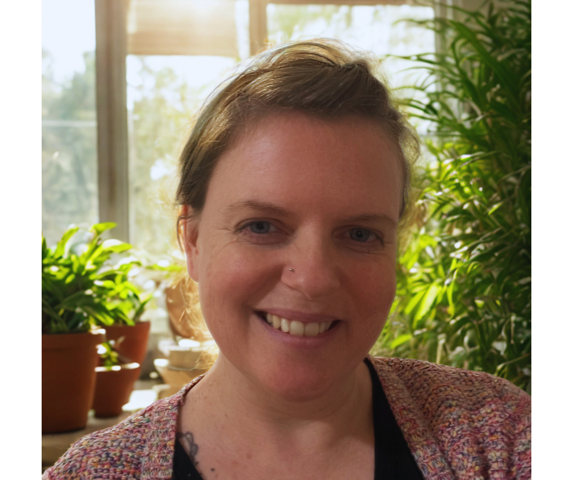
Guest article by Sarah Darwen, Founder of Halcyon Women’s Health.
Sarah Darwen is a women’s health specialist and therapist who has been supporting women’s hormonal health and wellbeing since 2008. Through her clinic and programmes at Halcyon Women’s Health, she helps women navigate life’s hormonal transitions - from periods and fertility through to menopause and the years beyond - with greater understanding, confidence and self-trust.
Drawing on both professional training and her own lived experience of managing complex hormonal health challenges, Sarah takes a holistic approach that blends modern health understanding with practices that support the nervous system, emotional wellbeing and the body’s natural rhythms.
Ancient wisdom and the seasons of life
In many traditional systems of medicine, including Traditional Chinese Medicine and Ayurveda, a woman’s life was often described through the metaphor of seasons.
Youth and puberty were seen as spring, when energy is rising, and new life begins.
The fertile years of adulthood were summer, a time of fullness, creativity, productivity and outward energy.
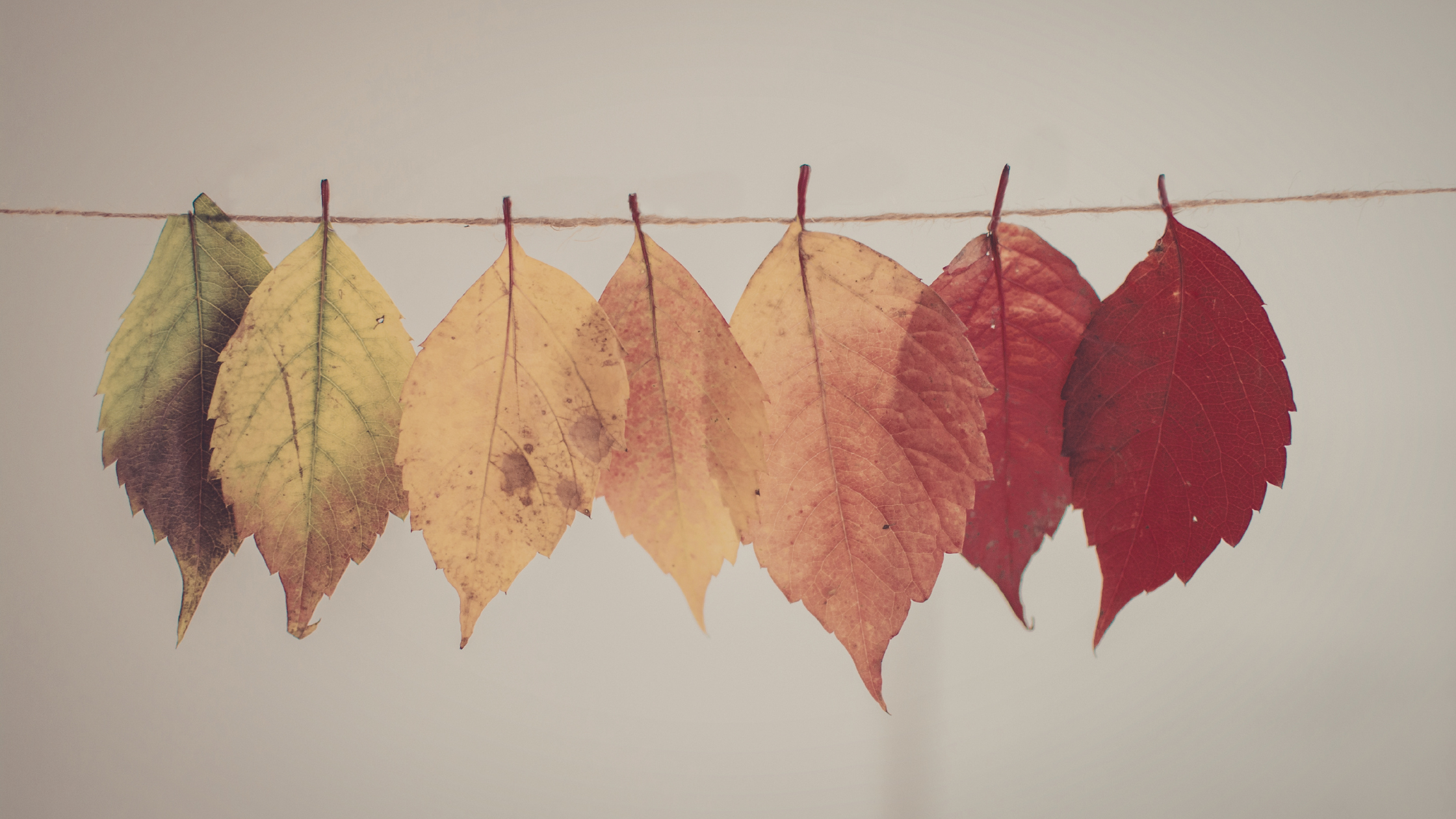
Perimenopause was understood as autumn, when the body begins to draw energy back inward, gradually letting go of the outward reproductive rhythm.
And post-menopause… Post-menopause was winter. Not winter as decline or disappearance, but winter as stillness, wisdom, depth, and reflection. Winter is the season when nature rests. The sap draws down into the roots of trees. The landscape becomes quieter. The outward growth of summer pauses, but beneath the soil, something profound continues to happen. Growth is still there. Energy still circulates. There’s a quiet vitality, powerful in its settled state, not showy or proving anything, but strong, balanced, and quietly doing its own thing.
The same can be true in the female body.
During the reproductive years, the body moves in a powerful monthly rhythm driven by the ovaries producing oestrogen and progesterone. These hormones rise and fall in a predictable cycle, preparing the body each month for potential pregnancy. A vibrant and fertile landscape.
After menopause, the ovaries gradually step back from producing those large hormonal waves. Without those monthly surges, the menstrual cycle stops.
But hormones themselves do not disappear. Smaller amounts of oestrogen, testosterone, and other key hormones continue to influence the body, just in a quieter rhythm.
This slower rhythm can feel different – subtle, steady, sometimes surprising. Many women notice that lifestyle and self-care take on a new level of importance.
When women begin to understand and work with this quieter rhythm – rather than pushing against it – the body can respond in powerful and often surprising ways.
A season of new awareness
Post-menopause is a time to tune into the body in a way we may not have done before. Many women discover opportunities to support strength, energy, sleep, and emotional wellbeing in ways that feel deeply personal.
The years after menopause are also a chance to reflect, reclaim energy, and explore what really matters. Many women find that what supports them begins to shift – and understanding those needs becomes more important than ever.
It is also a period when we can notice the lasting imprint of earlier life – the way our bodies carry the story of past cycles, inflammation, or stress. Understanding these patterns can help us respond wisely, rather than reacting to each change as it arises.

Living fully in this next chapter
Beyond the physical changes, post-menopause brings emotional and cognitive shifts. For some women, there is relief – an end to hormonal unpredictability. For others, moments of grief, particularly around fertility, may arise.
Alongside these experiences, many women describe something quietly powerful: a sense of space, freedom, and clarity. Decades of responsibility and over-giving may soften, and women often find they can step into a season of life defined by their own priorities, curiosity, and creativity.
In many ancient cultures, post-menopausal women were valued as wise leaders and guides. Modern life rarely frames it this way, yet many women feel it intuitively. These years can be among the most purposeful, creative, and personally liberating of life.
She had lived. She had learned. And she carried that wisdom into the community. In modern life, we rarely frame menopause this way, yet many women intuitively feel it. The years after menopause can be a time of enormous creativity, purpose and personal freedom. Women begin new careers, travel, start businesses, and return to passions that had once been set aside.
It is not the closing of a door.
It is often the opening of one.
When we look at post-menopause through the lens of seasons, everything begins to make more sense. Winter is not a season of emptiness. It is a season of depth. The energy that once flowed outward begins to turn inward. Reflection deepens. Priorities clarify. The roots grow stronger.
And when women honour this season - slowing slightly where needed, nourishing the body, tending to emotional wellbeing, allowing space for rest and rediscovery - many find this stage of life becomes unexpectedly powerful.
There is so much more to understand about what’s happening in the body during this stage – and, importantly, what can be done to support it. This is something we’ll be exploring in more depth in the upcoming MenoMinds Wellbeing Academy session (see more details at the bottom of the post).
Post-menopause is not something to endure quietly. It is a season to inhabit fully. A season of wisdom, clarity, and self-trust. And for many women, it becomes one of the most beautiful chapters of their lives.
What no one tells you about what comes next (+ free workshop!)
There are many ways to support the body, mind, and spirit in post-menopause, and no single path is right for everyone. In her upcoming session in our MenoMinds Wellbeing Academy*, Sarah Darwen, a women’s health specialist with over 15 years’ experience supporting hormonal health, draws on both clinical expertise and lived experience to explore what this stage of life means for your health, energy, and wellbeing.
She will share practical, holistic approaches to help you understand your body more deeply and feel supported through this transition. It is not the closing of a door. It is often the opening of one.
Join Sarah to navigate this next chapter with confidence, clarity, and self-trust.
Important note:
We are not clinicians and cannot diagnose depression or other mental health conditions. If you’re having thoughts of harming yourself, or you feel like you can’t keep yourself safe, seek urgent help. Contact NHS urgent services, your GP, or a crisis service such as SHOUT (text 85258 in the UK). If you’re in immediate danger, call 999.
Seeking support
If symptoms persist, worsen, or begin to feel overwhelming, it is important to seek professional support. Speaking to your GP can be a helpful first step in understanding what you are experiencing and exploring treatment or support options. We also recognise that not all women feel ready to take this step, or may have had previous experiences that make this difficult.
If you ever feel unable to keep yourself safe, or you are experiencing thoughts of self-harm or suicide, please seek urgent help. You can contact your GP, call NHS 111, or reach out to Samaritans on 116 123 (free, 24/7) or jo@samaritans.org. If you are in immediate danger, call 999 or go to your nearest A&E.