10 Misconceptions about menopause and self-employment (and what we need to let go of)
Many self-employed women worry that menopause will disrupt their work or productivity. This post debunks 10 common misconceptions and shares strategies to navigate menopause with confidence, self-compassion, and sustainable ways of working.
From worrying that your business might slow down to questioning the impact of your age and its connection to menopause, there are countless misconceptions about this stage of life, and chances are, you’ve probably considered at least one of them.
Self-employment offers flexibility, but it can make menopause feel isolating. Without colleagues, HR support, or structured working hours, many women manage symptoms alone while keeping their businesses running.
Through our work with self-employed women and small organisations, we’ve noticed recurring misconceptions that make menopause harder than it needs to be. Here are ten of the most common — and what it really means to let them go.
Jump to a misconception:
1. “If I were stronger, I could just push through it.”
Many self-employed women pride themselves on resilience, but menopause symptoms are not a matter of willpower. Hormonal changes can affect sleep, concentration, anxiety, memory, and energy. Trying to “push through” often leads to exhaustion, self-criticism, and burnout.
In MenoMinds workshops, women often have an “aha” moment when they realise there are ways of working that protect health, wellbeing, and business. Connecting with others and learning practical strategies helps participants let go of the idea that they must push through.
Affirmation: I honour my body and my limits, knowing that slowing down is a strength, not a weakness.
2. “Menopause only causes physical symptoms.”
Hot flushes are the most talked-about symptom, but menopause can also affect psychological and cognitive wellbeing. Haley White, co-founder of MenoMinds, experienced this herself; brain fog, anxiety, low mood, reduced confidence, and low libido are common, yet often unspoken.
For women whose work depends on mental clarity, these symptoms can feel particularly unsettling. In MenoMinds workshops, participants often realise that these experiences are shared by many women, helping to normalise the wider impact of menopause on mind and body.
Affirmation: I acknowledge the full impact of menopause on my mind and body, and I give myself permission to seek support for both.
3. “I’m self-employed, so menopause shouldn’t affect my work.”
Flexibility can help… You can adjust your schedule, take breaks, or structure your day around your energy.
But self-employment brings unique pressures: deadlines, financial responsibilities, and clients who rely on you. Many women feel they should be able to cope alone.
In MenoMinds workshops, participants share that struggling at times doesn’t mean failure. Accepting that menopause affects work allows women to approach their businesses with self-compassion and sustainable strategies.
Affirmation: I can work flexibly and with self-compassion, knowing that my wellbeing supports my business’s success.
4. “I must be burning out.”
Sudden anxiety, exhaustion, or difficulty concentrating can feel like burnout. Hormonal changes during perimenopause can produce similar symptoms, including disrupted sleep, brain fog, and emotional shifts.
Many women initially blame themselves. In MenoMinds workshops, learning about the psychological impact of menopause is often relieving, helping participants approach work with realistic expectations rather than guilt.
Affirmation: I listen to my body and mind, understanding that symptoms may be hormonal, not personal failure.
5. “If I slow down, my business will suffer.”
It can feel risky to reduce workload when self-employed, but many women discover that small adjustments make a real difference:
Prioritise tasks based on energy
Adjust working hours or deadlines
Set clearer boundaries with clients
In our workshops, women often share how these tweaks allow them to manage projects while protecting wellbeing. Slowing down strategically doesn’t harm the business; it sustains it in the long term.
Affirmation: I can pace myself strategically, knowing that sustainable work practices protect both my health and my business.
6. “I’m too young for menopause.”
Victoria Brookbank, co-founder of MenoMinds, entered menopause in her mid-forties and initially held this misconception. Perimenopause can begin in the early 40s, sometimes earlier, but menopause is often associated with the 50s.
Understanding this helps women make sense of symptoms rather than assuming stress or overwhelm. Workshops help participants seek information and support early, rather than waiting for symptoms to worsen.
Affirmation: I trust my experiences and seek clarity, embracing menopause at whatever age it arrives.
7. “I’m the only one experiencing this.”
This is one of the biggest misconceptions and a noticeable theme across all of our workshops.
Self-employment can feel isolating, and menopause symptoms can feel deeply personal.
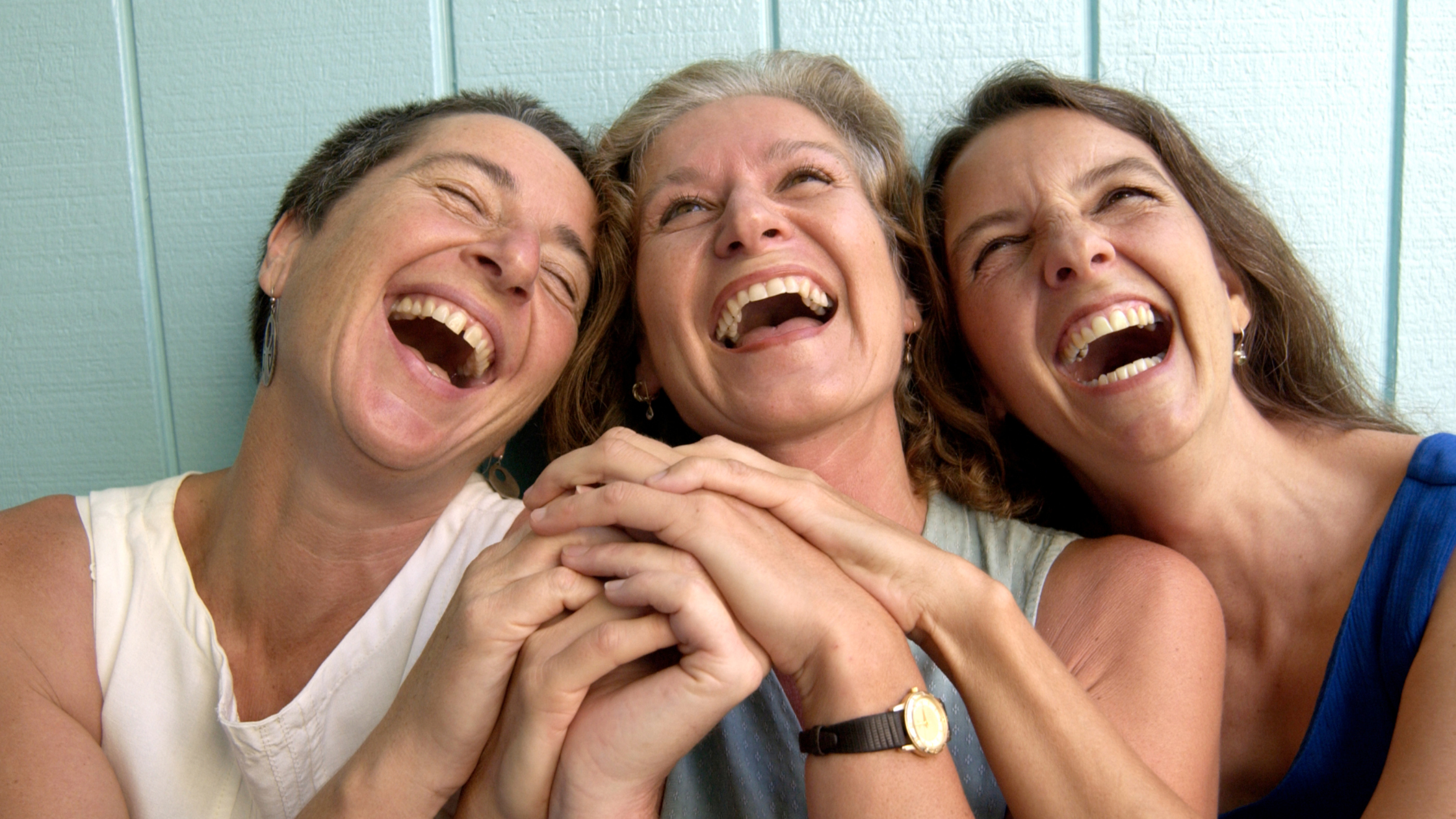
In MenoMinds workshops, participants often express relief when they hear others experiencing similar challenges. Sharing stories reduces isolation and reinforces that these experiences are common.
Affirmation: I am not alone. Connection and shared experiences empower me and normalise my journey.
8. “Menopause means my productivity is permanently declining.”
Temporary dips in energy are normal, but menopause does not mean permanent loss of capability or creativity.
MenoMinds workshops share strategies such as:
Working during peak energy hours
Setting clear expectations with clients
Minimising distractions
Scheduling rest and recovery
These small adjustments help maintain productivity while supporting health.
Affirmation: I can adapt my ways of working and continue to create meaningful, fulfilling work.
9. “I shouldn’t talk about menopause in professional settings.”
Some women worry that mentioning menopause might make them seem less professional. But for self-employed women, being open about what’s happening can actually be a strength. Acknowledging changes, whether to clients, collaborators, or your own team, reduces feelings of isolation and self-blame and helps set realistic expectations.
You don’t need to share every detail, but normalising menopause in your professional life, like adjusting schedules around energy levels or talking openly about your needs, can make your work more sustainable. Remember: menopause is a natural life stage, and discussing it thoughtfully is a sign of self-awareness and professionalism, not weakness.
Affirmation: I can speak openly about my needs when it matters, showing self-awareness and professionalism.
10. “There’s nothing I can do to make work easier.”
Many women arrive at MenoMinds workshops feeling exhausted and desperate for guidance, clarity, or simply reassurance. While we do not provide medical advice or replace healthcare support, we aim to offer understanding, practical strategies, and encouragement to the remarkable women who join our sessions.
Although menopause cannot always be controlled, there are many ways to make it more manageable. Small adjustments to routines, greater awareness of symptoms, peer support, and access to reliable information can all have a meaningful impact. Over time, these strategies can help women feel more in control, reduce stress, and sustain both their wellbeing and their businesses.
Affirmation: I have the power to make small changes that support my wellbeing and make work more manageable.
Final thoughts
Menopause can affect women’s working lives in many ways, especially for those who are self-employed or working in small organisations without formal support structures.
Understanding these experiences and challenging common misconceptions can help women approach menopause with greater compassion, confidence, and realistic expectations. Awareness and connection make a real difference, allowing women to continue working sustainably while prioritising their wellbeing and mental health.
At MenoMinds, our workshops provide a supportive space where women can explore these issues, learn about the psychological and emotional impact of menopause, and share experiences with others who truly understand – you might even make a new friend or connection too!
Join a free, CPD-accredited workshop and experience it for yourself. It’s a safe, judgment-free space designed specifically for women navigating perimenopause and menopause.
Important Note:
We are not clinicians and cannot diagnose depression or other mental health conditions. If you’re having thoughts of harming yourself, or you feel like you can’t keep yourself safe, seek urgent help. Contact NHS urgent services, your GP, or a crisis service such as SHOUT (text 85258 in the UK). If you’re in immediate danger, call 999.