What we've learned after supporting hundreds of women through menopause
When we launched in 2025, we never expected our MenoMinds platform to reach as many women as it did. From self-doubt to shared experiences, these are the lessons that have stayed with us and will continue to shape the future of our work.
When we launched MenoMinds, we wanted to create a space where women could access a community of women, expertise and evidence-based support whilst also understanding the relationship between menopause and mental wellbeing.
We knew there was a growing need for accurate information, and awareness around menopause has increased significantly in recent years, and that's something to celebrate. More women are recognising symptoms earlier, more workplaces are starting important conversations, and more resources are available than ever before.
It’s without a doubt that information matters, but after delivering workshops to hundreds of women across the UK (incredible, we can’t believe it), we’ve realised something else.
Information and learning are only a small part of the story.
It's the conversations, the shared lived experiences and the quiet moments of recognition that often have the greatest impact. As we reflect on everything we've learned so far, a few lessons continue to stay with us.
Every woman's experience is different
One thing our workshops have continually reinforced is that there is no such thing as a "typical" menopause journey.
We knew from the outset that every woman's experience would be unique, but hearing hundreds of individual stories has confirmed that for us.
Some women begin noticing changes in their late thirties, while others don't experience symptoms until much later. For some, anxiety or brain fog are the first signs of perimenopause. Others notice changes in confidence, vaginal health, sleep and/or emotional wellbeing.
We've met women running businesses, leading teams, caring for children, supporting ageing parents, volunteering in their communities and trying to balance all of these responsibilities while navigating a stage of life that can feel unpredictable and very overwhelming.
No two stories have been the same, and it’s brought a unique and valued perspective to our conversations.
So many women arrive believing they're failing
Sometimes it’s not the symptoms themselves that are the most challenging, sometimes it’s how women interpret them.
Many arrive at our workshops convinced they're simply not coping anymore. They tell us they've become forgetful, overwhelmed or anxious, and they worry they're losing confidence or becoming less capable than they once were.
Understanding that hormonal changes can influence mood, concentration, confidence and emotional wellbeing doesn't solve everything overnight. What we’ve realised is that replacing self-blame with self-understanding and self-compassion is the most powerful place to begin.
Our co-founder, Victoria, previously ran a very popular workshop on self-compassion, you can watch the replay for more information soon.
Information is important, but feeling understood changes everything
We’ve noticed that by the time many women join a MenoMinds workshop, they've already done some research. They might have researched online, listened to podcasts, read articles and seen their GP. Others have spent months trying to piece together why they suddenly don't feel like themselves.
Yet one sentence comes up again and again during our workshops: "I thought it was just me."
That moment never loses its impact, no matter how many times we’ve heard it. Not because women have discovered new information, but because they've discovered they're not alone and they’ve received the confirmation they’ve been searching for.
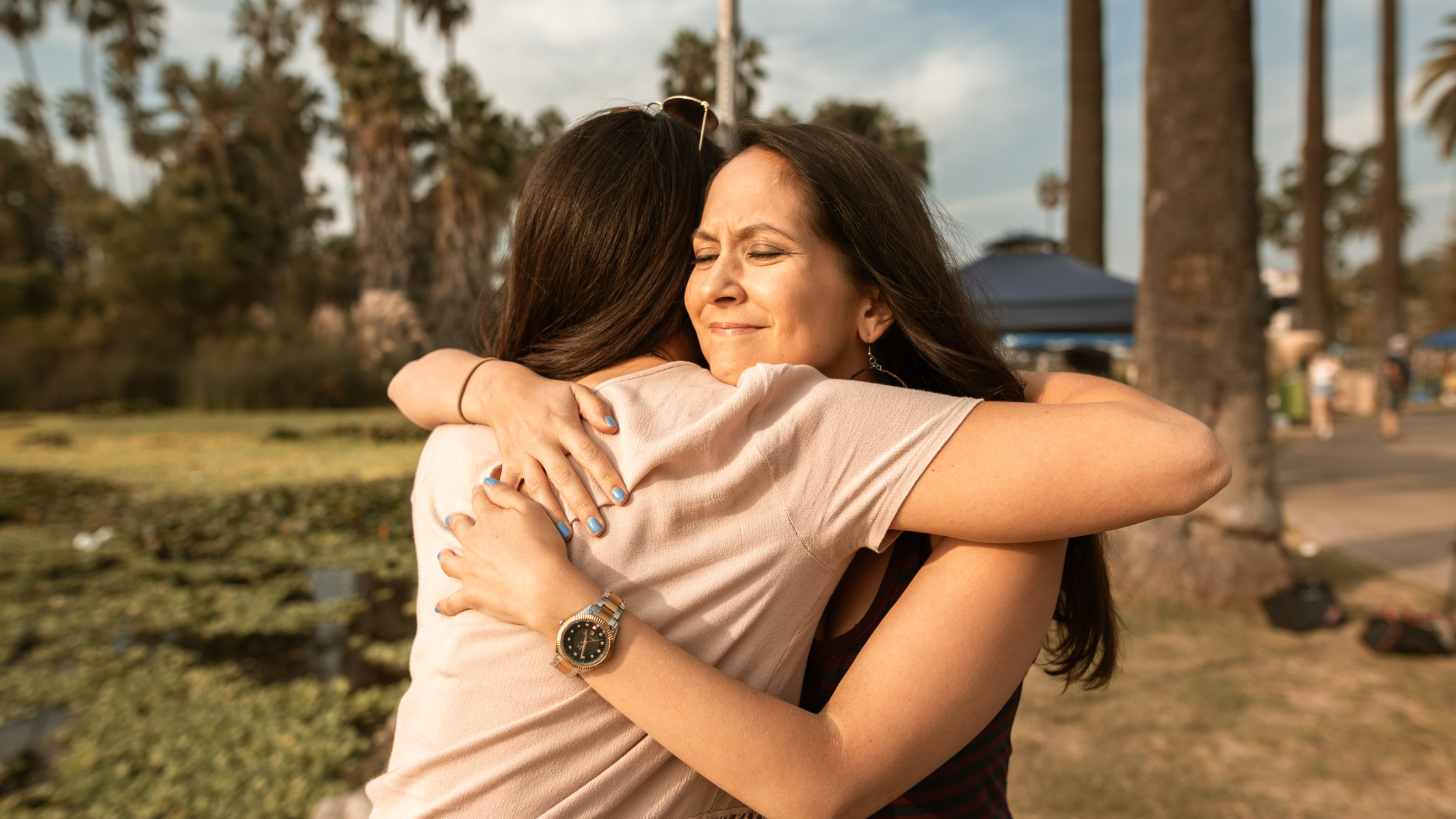
There's something incredibly reassuring about hearing another woman describe exactly what you've been experiencing. It reminds you that you aren’t failing, you’re not going crazy, and finally, you’re not navigating this in isolation.
The smallest changes often make the biggest difference
People sometimes expect breakthroughs to come from dramatic life changes that feel impossible to implement. In reality, we've seen confidence grow through much smaller, more sustainable shifts.
Some of them include:
Giving yourself permission to take a proper lunch break.
Recognising when your energy is lower and adjusting expectations accordingly.
Taking a few mindful breaths before a difficult meeting.
Being kinder to yourself on the days when things feel harder.
Asking for support instead of silently pushing through.
These aren't headline-grabbing changes, but they’re realistic, practical and approachable.
We've supported many women with their wellbeing by sharing realistic, practical strategies. We're not striving for perfection, we're focused on providing evidence-based support that's easy to understand, simple to implement and actually helpful in everyday life.
Nobody should have to navigate menopause alone
If there's one lesson we'll carry forward above all others, it's this.
No woman should feel she has to face menopause on her own. Some of the most powerful moments in our workshops don't happen during the presentation. They usually happen in the breakout rooms when someone bravely shares an experience they've never spoken about before and they’re honest.
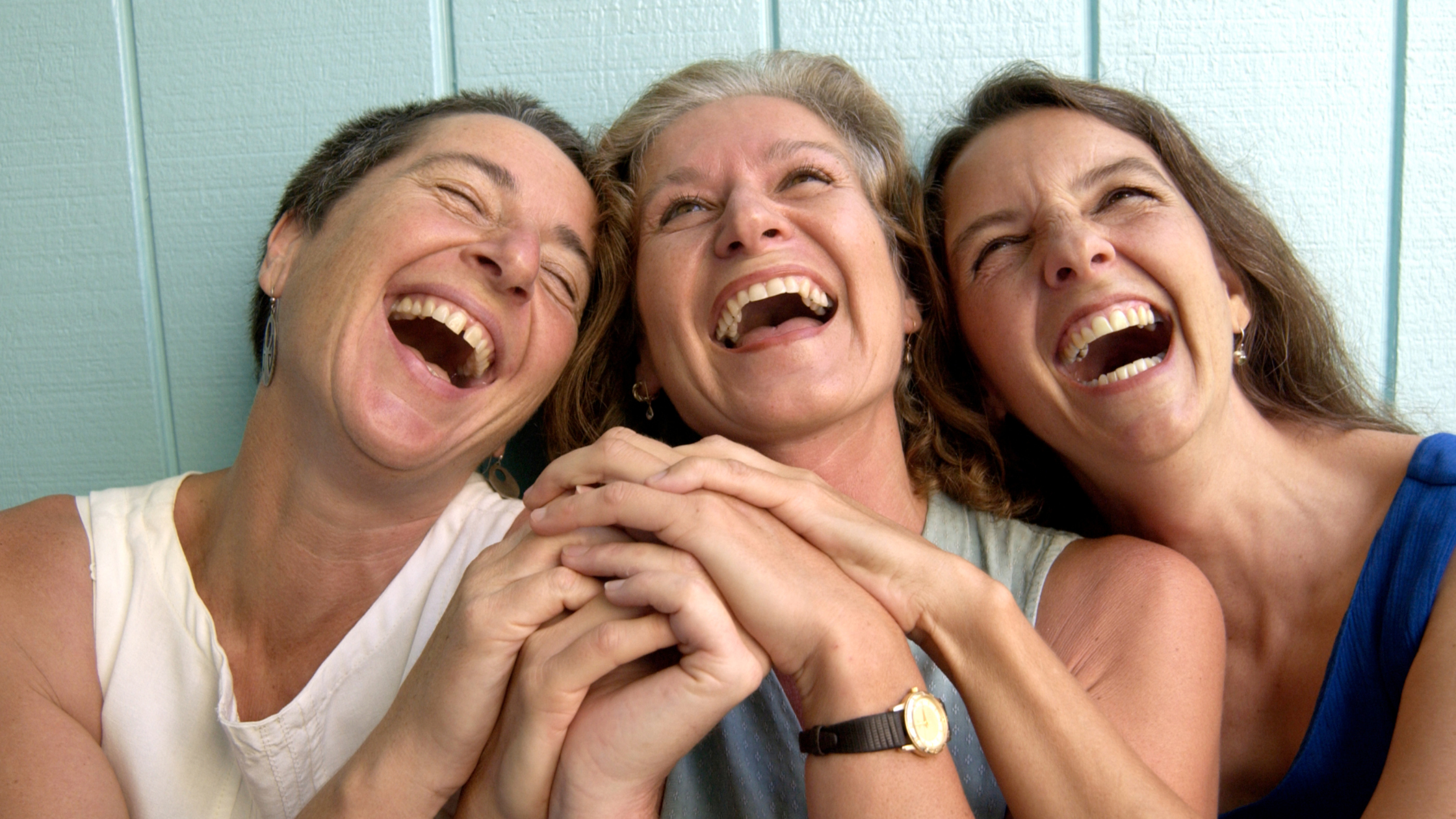
When one woman is honest, we notice a ripple effect. Soon, more and more women come forward to share their own experiences.
Thank you for sharing your stories with us
Every workshop we've delivered has shaped MenoMinds in ways we never expected. We've been inspired by the honesty, courage and generosity of the women who've trusted us with their stories.
Thank you to every woman who has attended a workshop, shared a question she maybe didn’t want to ask, spoken openly about her experiences or simply listened to someone else's story. You've helped shape MenoMinds just as much as we've hoped MenoMinds has supported you.
We can’t wait to see what the future holds for MenoMinds and where it’ll take us next (more on that coming soon).
Join a MenoMinds workshop
If you're looking for evidence-based information, practical tools and a supportive space to explore the relationship between menopause and mental wellbeing, we'd love to welcome you to one of our free CPD-accredited MenoMinds workshops.
Whether you're looking for answers, reassurance or simply the chance to hear from other women who understand what you're experiencing, you'll find a warm, supportive community ready to welcome you.
Important note:
We are not clinicians and cannot diagnose depression or other mental health conditions. If you’re having thoughts of harming yourself, or you feel like you can’t keep yourself safe, seek urgent help. Contact NHS urgent services, your GP, or a crisis service such as SHOUT (text 85258 in the UK). If you’re in immediate danger, call 999.
Seeking support
If symptoms persist, worsen, or begin to feel overwhelming, it is important to seek professional support. Speaking to your GP can be a helpful first step in understanding what you are experiencing and exploring treatment or support options. We also recognise that not all women feel ready to take this step, or may have had previous experiences that make this difficult.
If you ever feel unable to keep yourself safe, or you are experiencing thoughts of self-harm or suicide, please seek urgent help. You can contact your GP, call NHS 111, or reach out to Samaritans on 116 123 (free, 24/7) or jo@samaritans.org. If you are in immediate danger, call 999 or go to your nearest A&E.