Haley’s story: Even a mental health expert was blindsided — how perimenopause hit me at 41
At 41, workplace mental health expert Haley was blindsided by anxiety, brain fog, and heavy periods — only to discover she was perimenopausal. She shares the psychological impact, career fears, and practical advice that helped her regain confidence and control.
Disclaimer:
This article contains personal reflections on mental health and perimenopause. Haley shares her own experiences, which include anxiety, low mood, physical health challenges and more. If you are struggling with your mental health, please know that support is available. Consider speaking to a healthcare professional or contacting a trusted support service.
Key takeaways:
Even as a workplace mental health expert, Haley was blindsided at 41 when anxiety, brain fog and heavy periods turned out to be perimenopause.
The psychological symptoms: loss of confidence, memory lapses, and sudden anxiety were more debilitating than the physical changes she expected.
A diagnosis brought both relief and frustration, highlighting how little awareness and workplace support exists for perimenopause.
Advocating for yourself, tracking symptoms and asking direct questions in medical appointments are key to getting the right support.
With structure, boundaries, community and nervous system care, perimenopause becomes manageable and not a sign of weakness or failure.
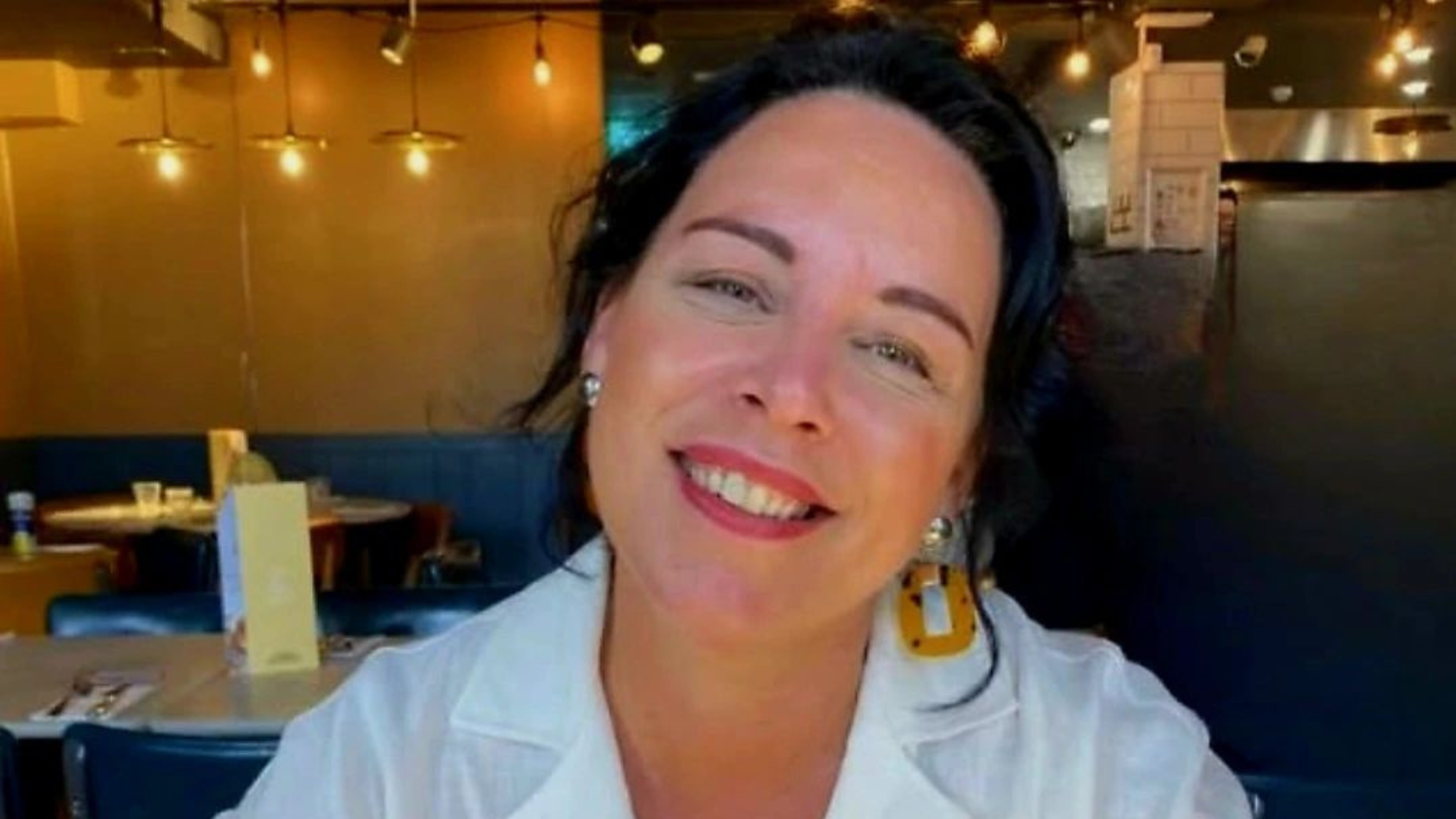
Haley has spent her entire professional career supporting organisations and helping them create and adopt healthier workplace cultures. However, at 41, she was blindsided by anxiety, brain fog, and cognitive changes she couldn’t explain. This ultimately led to the discovery that she was perimenopausal, a moment that was both shocking and liberating.
Haley White is a workplace menopause and mental health trainer with a degree and a master’s in organisational psychology. She has delivered hundreds of wellbeing training sessions for organisations across the UK and internationally, from universities and NHS Trusts to global businesses in construction, hospitality, and tech. She is also the founder of Menospace, a consultancy that helps employers create menopause-inclusive cultures. Haley is also the co-founder of MenoMinds.
Haley has taught people her tried, tested, and evidence-based tools for navigating mental health, particularly in the workplace for many years. But when it came to her own journey, things were different and far more challenging than she had anticipated.
In this article, Haley shares her raw and unfiltered perimenopause story, along with her advice, guidance, and compassionate words for anyone navigating perimenopause while struggling with confidence, direction, or support.
Explore Haley’s story:
The first moment she noticed perimenopause symptoms
To set the scene, let’s take it back to 2020 when the UK Covid-19 lockdowns began. I was 40 and juggling working across London, running wellbeing and mental health sessions for corporate clients. As I delivered these training sessions, I noticed my own wellbeing changing. I started forgetting words, losing focus, and feeling sudden, overwhelming anxiety. Finally, after months of tests, a consultant told me I was perimenopausal at 41.
My symptoms with perimenopause weren’t identified as one particular moment; it was an accumulation of things, starting with irregular, very heavy periods and flooding, which I hadn't had before. This lasted for about six months, with other things such as anxiety, forgetfulness, and difficulty concentrating.
There were lots of surprises along the way, not good ones either, including how much perimenopause affected my mind, not just the physical sensations in my body. I expected things like hot flushes or irregular periods (and even then, I didn’t expect them at 41), but I didn’t expect or feel prepared for the anxiety, the memory lapses, and the feeling that my confidence had taken a hit overnight. The mental side felt the most debilitating.
As soon as my symptoms began, my first thought was: “What is wrong with me?” I tried to rationalise it: stress, burnout, too much work, not enough sleep, “maybe I need a holiday.” I also blamed myself over and over again. I thought I was becoming unreliable or less capable, which is a horrible and unhelpful narrative to have in your mind when you’re trying to lead a business, hit the peak of your career, and show up confidently for others.
Haley’s reaction to finding out she was perimenopausal
When I found out I was perimenopausal at 41, I felt shocked, relieved, and confused.
I was shocked because I’d never even heard the word perimenopause before. Like so many women, I thought menopause was something that happened much later in life, and I felt too young to be experiencing this.
I was relieved because I finally had some awareness and understanding about how I felt and my symptoms; I wasn’t losing it, there was a reason why I felt the way I did.
I was confused because I immediately thought: “Right… so what do I do with this?” Being given a label is one thing. Feeling supported and knowing your options is another.
Coming from a wellbeing background, I couldn’t believe how little awareness there was. When I found a survey showing that one in ten women were leaving work because of menopause, I decided to do something about it. That’s how Menospace began. I wanted to help organisations understand menopause properly and support their people better. Now three years on, I’ve helped hundreds of organisations across the globe create safe, inclusive, and menopause-friendly workplace cultures.
How to advocate for yourself at a healthcare appointment
When I was advocating for myself at my doctor’s appointment, I faced some initial challenges because when symptoms are cognitive or emotional, they can be brushed off as “stress” or “just life.” I also think a lot of women minimise what’s happening because we’re so used to pushing through. And in a professional context, it can feel risky to admit you’re struggling. There’s still a judgement attached to anything that sounds like “I’m not coping.”
My biggest advice is: go in prepared and don’t downplay it.
Practical things that help:
Track symptoms for 2-4 weeks (mood, sleep, cycle changes, brain fog, anxiety, energy, physical symptoms).
Be specific about impact: “This is affecting my work/relationships/sleep/ability to function.”
Questions to ask:
“Could this be perimenopause based on my symptoms and age?”
“What are my options (HRT, non-hormonal, lifestyle, mental health support) and what are the pros/cons for me?”
“If I try something, how long until we review it, and what would success look like?”
“Are there any checks we should do to rule out other causes (thyroid, iron, B12, vitamin D, etc.)?”
“What should I do if anxiety/low mood feels unmanageable - what support is available?”
And if you feel dismissed, it’s okay to say: “I don’t feel heard. Can we explore this properly, or can I see someone with menopause expertise?”
How perimenopause affected Haley’s work
Perimenopause affected my capacity and consistency. Some days I’d be completely fine, and other days it felt like I was losing a never-ending battle. I became more sensitive to poor sleep; if I slept badly, everything felt harder: focus, patience, decision-making. It also changed how I prepared. I relied more on structure, notes, checklists, and buffers around demanding days.
I learned to pause rather than power through, and sometimes that meant taking ten minutes, going for a quick walk, breathing, or stepping away before responding to someone. I’ve also learned to communicate more clearly: “I’m feeling overwhelmed today, can we talk later?” That one sentence can save a lot of unnecessary conflict and give you the breathing space you need on the tough days.
The biggest tasks I found noticeably harder to complete were anything that required sustained focus for long periods, admin, detailed writing, back-to-back calls, and decision-heavy days. Also, context switching: jumping from one topic to another repeatedly can feel much harder when your brain is foggy.
However, rather than beating myself up over everything I found difficult, perimenopause has made me more aware of my body and mind and its cycles. It’s forced me to stop pretending I’m a machine and to be intentional about sleep, food, movement, boundaries, and how I structure my work.
Haley’s experience with fear and worry about her career
There were definitely days and weeks when I would worry about my career and my professional identity. My work relies on my brain, so there was no avoiding the debilitating symptoms. Day-to-day, I’m leading sessions, speaking to clients, making decisions, and being “on.” When your confidence wobbles and your concentration disappears, you worry: “Can I still do this at the level I’m used to?” There’s fear of being judged, fear of slipping, fear of being found out.
It’s really frustrating when you know you’re capable, but your brain isn’t cooperating as it did previously. There were days I’d read something, and it wouldn’t go in, or I’d forget what I was about to say mid-sentence and feel embarrassed even if no one else noticed. The internal experience is exhausting because you’re constantly trying to compensate.
Haley’s tips for managing perimenopause symptoms
There are lots of tips I’ve created for my toolkit over the years, and my handy tools tend to be a mixture of awareness, planning, and support. I prioritise recovery, I plan demanding work around my capacity where I can, and I take my symptoms seriously rather than pushing through until I crash.
To stay focused, I use written notes, structured agendas, fewer back-to-back meetings, and, doing deep work at times, I know my brain is stronger. Also, I reduce multitasking, one thing at a time when possible. When I feel foggy, I don’t rely on memory; I rely on systems, and that’s okay. And I’ve learned that confidence comes back when you stop fighting your body and start working with it.
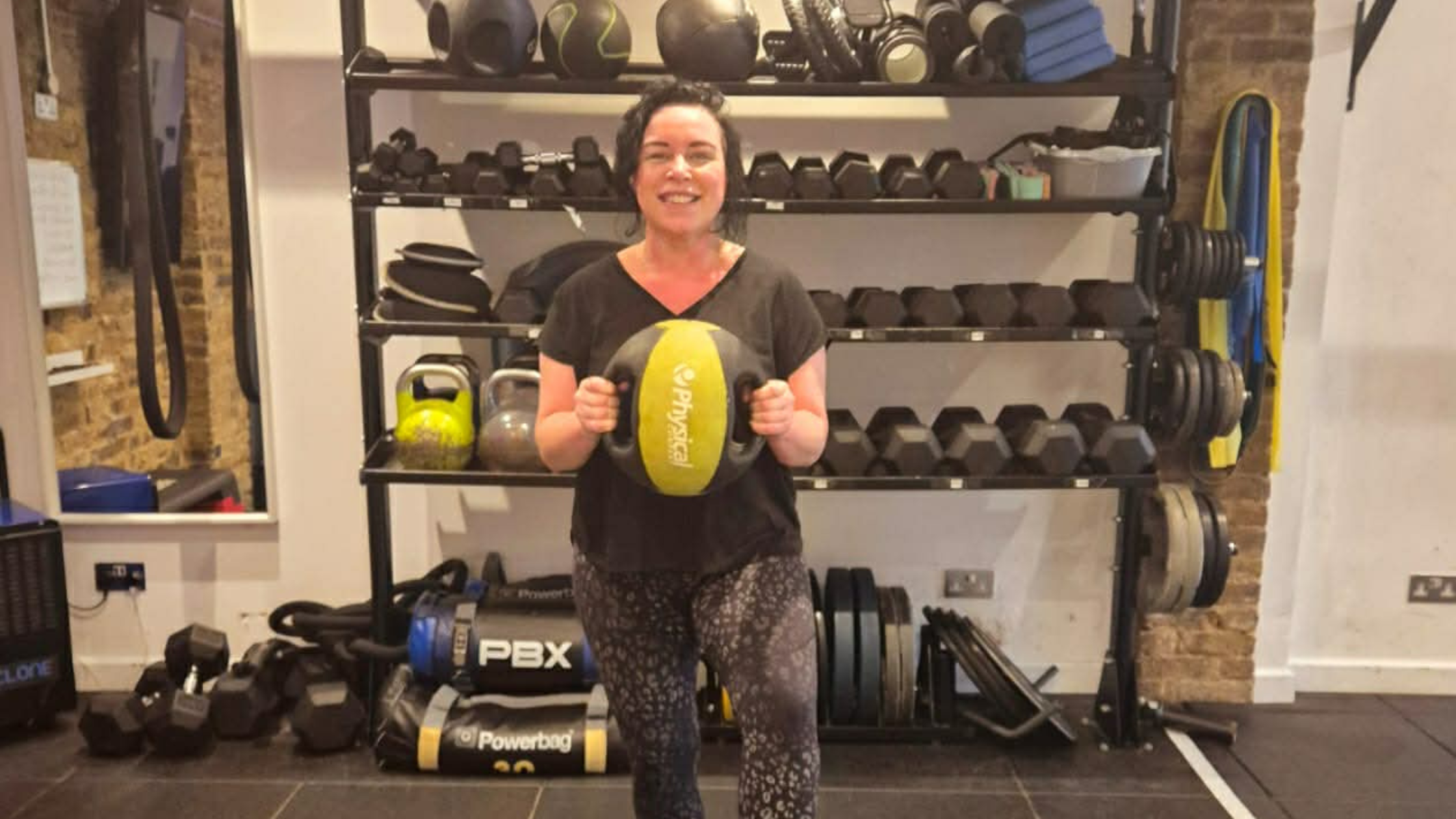
Moving my body in a way that works for me has had a positive impact on both my mental and physical wellbeing. Taking part in exercise classes has allowed me to connect with other women in my local community, while also improving my endurance and overall cardiovascular health. It’s a win-win, and I get such a buzz from it!
Some other tips include:
Symptom tracking (even simple notes)
A weekly planning ritual that includes energy levels, not just tasks
Peer support/community (so you’re not doing it alone)
Boundaries with clients and diary management (buffers, not constant delivery)
Movement and time outdoors (nervous system regulation matters)
The hardest misconception she had to let go of
The hardest misconception I have had to let go of is that perimenopause is just hot flushes and periods stopping. As a perimenopausal woman in business, I also had to let go of the belief that if you’re “successful” or have your life together, you should be able to handle it quietly.
Perimenopause can be both psychologically and physically intense, and experiencing that doesn’t mean you’re weak. It is so much more than hot flushes and periods stopping. Asking for help, speaking openly, and breaking down stigma is powerful.
Even if you understand mental health deeply, you can still be caught off guard when hormones shift. It showed me how quickly anxiety can appear, how cognitive changes can shake your identity, and how easy it is to mislabel hormonal symptoms as “just stress” if you’re not looking through a menopause-informed lens.
We deserve support, and perimenopause isn’t a sign of weakness; it means your hormones are shifting and your nervous system is reacting.
Small steps women can take to feel heard
Tell one trusted person what’s going on (even just: “I think I’m in perimenopause and it’s affecting me.”)
Ask for one practical adjustment at work (flexible start time, breaks, temperature control, workload planning).
Use simple language to explain impact: “I’m having brain fog/anxiety, structure helps me.”
Find your community: online or in person so you’re not carrying it alone.
Things women can do today to feel more in control tomorrow
Take yourself seriously. The earlier you recognise perimenopause and the symptoms and get informed support, the less frightening it becomes. Silence turns symptoms into fear and support turns them into something you can navigate.
I couldn’t go a day without a daily nervous system reset, even just 10 minutes. Walking outside, breathing, stretching, sunlight in my eyes, phone away. It sounds simple, but it helps regulate stress hormones, stabilise mood, and gives my brain a chance to settle. I highly recommend it!
Protect sleep like it’s a medical intervention. Even small improvements help; consistent bedtime, cutting late caffeine, and reducing screen time can make a noticeable difference to mood, anxiety, and focus.
Finally, track patterns and triggers without judgement. When you can see “sleep + stress + caffeine + cycle phase” lining up with anxiety or brain fog, you stop blaming your personality and start making practical changes.
What Haley would say to her 41-year-old self about perimenopause
If I could go back and speak to my 41-year-old self, I would say you’re not broken, and you’re certainly not failing. What you’re going through and navigating is real, it’s hormonal, and it’s manageable, but you need support. Haley, stop minimising it and get help sooner.
Once you know more about perimenopause, knowledge gives you power you never thought you would have. Once you understand what’s happening more, you can make informed choices about support, treatment options, boundaries, and your lifestyle, all without shame.
The MenoMinds stories that still stay with Haley
The feedback that always stays with me is when women say things like: “I thought I was losing my mind and now I feel hopeful,” or “I finally have the words to explain what’s happening.” That shift from fear to clarity is huge.
The biggest “aha” moment women have in the workshops is: “This explains so much.” Women connect the dots between hormones and what they’ve been experiencing: mood swings, anxiety, rage, brain fog, insomnia, and they realise they’re not broken. Another “aha” is how common it is: the relief of realising you’re not alone and being able to connect with other women navigating similar.
I built Menospace because workplaces need practical support that goes beyond awareness. And I co-founded MenoMinds because women also need spaces that feel safe, relatable, and supportive, especially around the mental and emotional side.
My personal perimenopause journey has made me more holistic and more direct about biology. I talk more about sleep, nervous system regulation, hormonal transitions, and the difference between “mental health symptoms” and “mental health symptoms with a hormonal driver.” And I’m more passionate than ever about education because information reduces fear, and fear is often what makes symptoms feel unbearable.
I’m really looking forward to the next few months delivering the Mental Health in Menopause workshop and helping women navigate through midlife with confidence, support, and practical guidance.
You don’t have to navigate this alone — sign up for our free workshop
If Haley’s story resonated with you, you don’t have to figure this out alone. Sign up for our next free, fully funded and CPD accredited MenoMinds workshop and gain practical tools, expert guidance, and a supportive space to understand what’s happening in your body and mind.
Join us to connect the dots, feel validated, and leave with clear next steps. Spaces are limited, so reserve your place today.
Sign up for the next free Mental Health in Menopause Workshop. We look forward to seeing you there.
Important Note:
We are not clinicians and cannot diagnose depression or other mental health conditions. If you’re having thoughts of harming yourself, or you feel like you can’t keep yourself safe, seek urgent help. Contact NHS urgent services, your GP, or a crisis service such as SHOUT (text 85258 in the UK). If you’re in immediate danger, call 999.