Victoria’s story: I knew every wellbeing tool — until perimenopause taught me something new
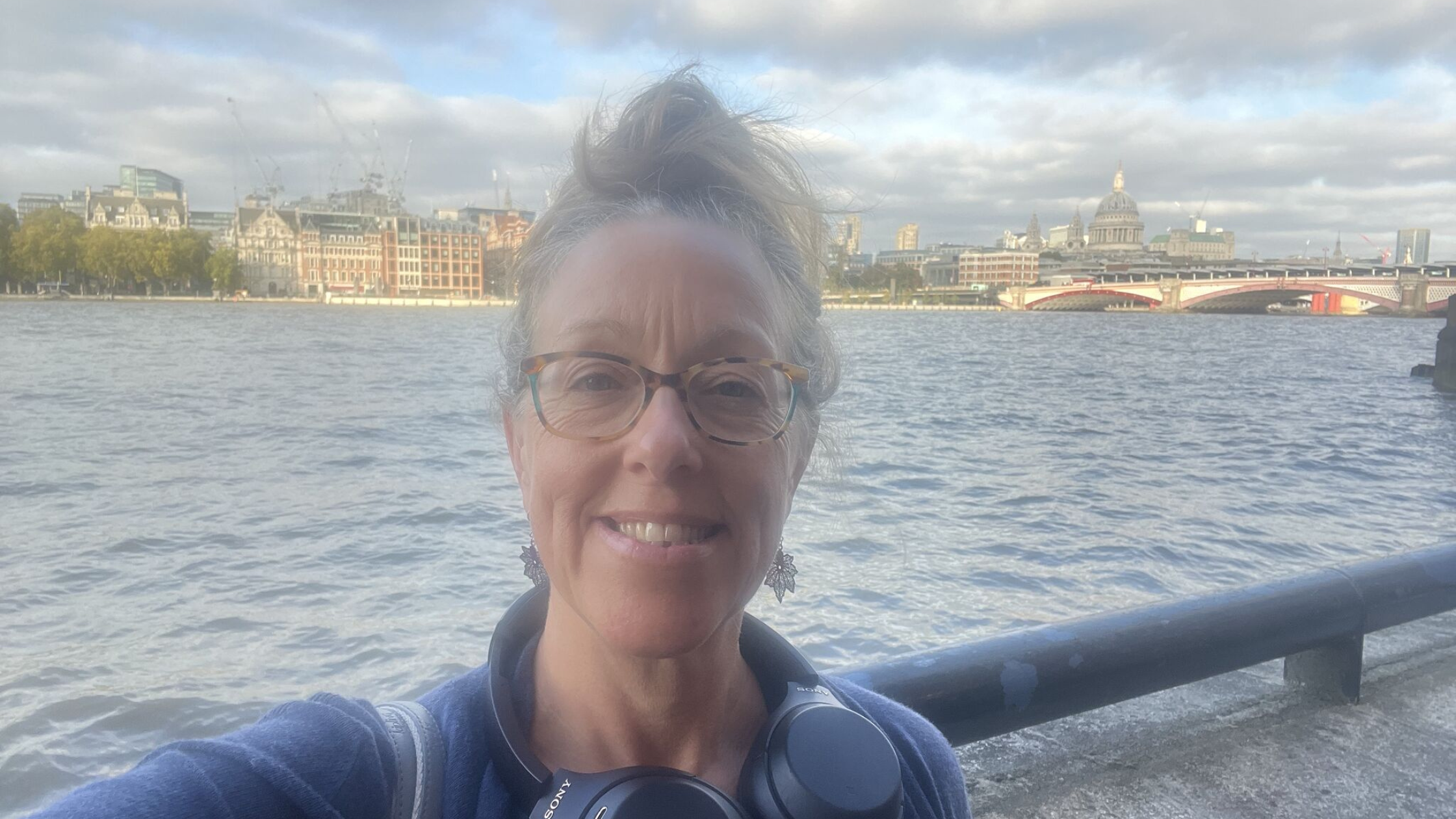
Victoria, co-founder of MenoMinds, shares her lived experience of perimenopause, mental health, anxiety, brain fog, and finding support.
Disclaimer:
This article contains personal reflections on mental health and perimenopause. Victoria shares her own experiences, which include anxiety, low mood, and challenges with focus and wellbeing. If you are struggling with your mental health, please know that support is available. Consider speaking to a healthcare professional or contacting a trusted support service.
Key takeaways:
In her early 40s, Victoria began to feel like she was losing herself, long before she realised perimenopause was the cause.
Even with years of mental health and wellbeing expertise, she struggled to make sense of the anxiety, brain fog, and exhaustion she was experiencing.
A single conversation with a friend and a GP who truly listened changed everything.
Perimenopause didn’t just disrupt Victoria’s work and wellbeing; it reshaped her purpose and the way she now supports women.
What started as isolation, confusion, and self-doubt turned into a powerful lesson in resilience, self-compassion, and connection.
I couldn’t focus, I was exhausted, and none of my usual wellbeing tools worked… I felt like I was losing myself.
Victoria Brookbank is a workplace wellbeing specialist, psychotherapist, mindfulness instructor, and co-founder of MenoMinds. In her early 40s, she began experiencing perimenopause symptoms for the first time, and despite years of professional mental health and wellbeing expertise, she struggled to understand what was happening.
After years of managing mental health challenges, navigating perimenopause left Victoria feeling helpless. What she didn’t realise at the time was that perimenopause would go on to teach her some important lessons about life, resilience, and mental wellbeing.
In this article, Victoria shares her honest story: navigating pre-existing mental health challenges alongside perimenopause, the crucial support of a friend and a validating GP, and practical insights and strategies for women facing similar experiences.
Explore Victoria’s story:
Early signs and realisation
There wasn’t a defining monumental moment for the beginning of my perimenopause journey; in fact, it crept up on me in my early 40s. I thought the symptoms I was experiencing were only linked to my age and other previous mental health challenges, not perimenopause.
Anxiety, lack of focus, and a lowering of confidence became constant companions. My mind felt scattered, and exhaustion weighed heavily on me. Emotionally, I was hyper-anxious all the time, which affected my mood and often made me feel really low. Sometimes it even added more anxiety because I felt unable to cope.
One of the hardest things was that my usual wellbeing tools, the ones that had always helped me, suddenly weren’t working. Meditation became almost impossible as my focus worsened, despite it being an anchor previously. Decision-making felt like climbing a mountain, and exercise, which has always been a big part of my life, was a struggle because my energy levels plummeted. Swimming, pilates, and other activities I loved felt unattainable. I also experienced aches and pains, which made exercising impossible and an activity I didn’t enjoy as much.
At the time, I didn’t realise these were symptoms of perimenopause. I thought I was simply stressed and failing to cope, and I felt guilty for not doing the things I normally did to take care of my health.
I began noticing patterns in my symptoms: bouts of intense anxiety and overwhelm that would spiral into low mood. Some days, I could barely get out of bed. It was an incredibly difficult time, and I often felt powerless. In an attempt to regain control, I became more mindful of my routines and, at times, withdrew from others. Even with all the knowledge and tools I had developed over the years, there were days when I barely recognised myself — but each of these experiences taught me something about resilience and the need for new strategies.
Even with all the knowledge and tools I had learnt over the years and had tried and tested ways to navigate change and challenges, there were many days when I didn’t recognise myself at all.
My mental health journey + perimenopause
Having lived with depression, anxiety, and an eating disorder since my teens, I had learned to manage my mental health relatively well. I hadn’t experienced any fluctuations in my mental health for some time, so when my mood began to unravel again, I assumed this was simply another episode.
When I went to my GP, she suggested increasing my antidepressant dose. I tried it, but the exhaustion was overwhelming; I could barely get out of bed. After a month, I returned to my usual dose. Physically, I noticed aches and pains, but there were no other obvious changes to explain how I was feeling.
Because of my history of depression, anxiety, trauma, and complex PTSD, the emotional swings of perimenopause felt intensified and harder to navigate. I experienced cyclical depressive episodes and burnout, and during this time, those patterns became more profound. At times, the emotional weight felt unbearable, and some months, I found myself bordering on crisis, feeling as though I might give up altogether.
What made it even more difficult was not knowing where this decline was coming from. Was this my mental health resurfacing, burnout, or something else entirely? The only way I began to connect the dots was through reading books, researching menopause, and talking openly with my partner.
Gradually, I started to understand that perimenopause was amplifying symptoms I had spent years learning to manage, and that this wasn’t a personal failure, but a physiological shift that deserved compassion, support, and a new approach.
A friend and a GP who listened
It was a friend who first suggested that my symptoms could be perimenopause, which, to be honest, was a term I had never heard before. Perhaps I should have been more prepared. Thankfully, my friend gave me the space to speak honestly and openly, helping me take the next step toward seeking professional support.
At 43, I went to my GP, who turned out to be an incredible advocate for women’s health for her surgery. She explained that she couldn’t do her job without HRT and that it might be an option for me. While she sent me home with pamphlets and links to reliable information, the validation I received was invaluable.
I decided to try HRT, and though I was shocked, after all, I had thought menopause only happened in your 60s (how wrong I was), it was also a relief. I could finally start educating myself about what was happening to my body and mind, and begin to take back some control.
I know that many women find it difficult to feel heard and validated by their doctor or healthcare professional. In fact, 45% of women aged 45 to 60 reported that their perimenopausal or menopausal symptoms were not taken seriously. While this can be frustrating, it’s important to know that support is available and help is possible.
Advice for women advocating for themselves with healthcare professionals:
Prepare thoroughly: Write down all your symptoms, both physical and psychological (even the things you might not think are relevant. Everything can help provide context to your situation).
Book more time with your GP: Consider booking a double appointment with your GP to discuss your symptoms in depth (longer appointments are available).
Rule out any other underlying causes: Rule out other causes such as depression, anxiety disorder, burnout, nutritional deficiencies, or any other underlying health issues.
Use the MenoMinds template: Use our MenoMinds “preparing for your GP” template to help you structure your appointment so it’s as efficient as possible (get in touch and we’ll send you a copy).
Connecting the dots between hormones and mental health
Initially, I didn’t connect the dots between hormones and mental health. I thought perimenopause was only about physical symptoms: hot flushes, aches, or fatigue. Because I have a history of poor mental health, I struggled to understand where this episode was coming from. I only began to make sense of it through reading books, researching online, and talking openly with my partner — I am beyond grateful for his support.
I later learned that this confusion is common: around 90% of women don’t realise their symptoms are linked to hormonal changes, instead attributing them to ageing, stress, anxiety, or depression*.
Even with years of expertise in mental health, I doubted myself. I could teach and train others on maintaining wellbeing, but I wasn’t applying it to myself. My lack of focus and rising anxiety prevented me from using my own tools.
*Written evidence submitted by Health & Her to the UK Parliament’s Women and Equalities Committee on Perimenopause and menopause in the workplace (evidence reference MEW0054), UK Parliament. Source: committees.parliament.uk/writtenevidence/39340/pdf/
The impact on work and daily life
Perimenopause has profoundly impacted my work over the years. Running my business has been a massive challenge, particularly over the past 18 months. Leading training sessions is challenging; I often forget names, quotes, research papers, and details that used to come easily to mind. This can make me doubt my abilities and question my worth, even in a role I’ve been in for years.
Sticky notes and constant lists help, but they don’t solve everything. Often, I sit at my desk staring at the screen, feeling overwhelmed and accomplishing very little, then berating myself for not being good enough. Now, even at 50, I still notice worsening focus, organisational skills, and brain fog.
Beyond work, my life outside of my business has also been impacted. High anxiety and low mood touched every part of my routine; from lacking the energy to do the food shop, to avoiding social interactions, to barely managing work tasks. Sometimes an entire week would pass without seeing anyone or completing much because my anxiety was so consuming.
At the beginning, everything felt harder than it had before, and there was a pervasive cloud of difficulty that went beyond my usual mental health struggles, making even ordinary tasks feel monumental.
Misconceptions I had to unlearn
One of the hardest misconceptions to unlearn was thinking that perimenopause meant I was “too old.” I had to accept that these changes were happening whether I liked it or not, and that age did not disqualify me from navigating them.
I also had to unlearn the belief that talking about perimenopause is inappropriate. What surprised me most was that opening up about my experience became one of the most powerful forms of support I had. It connected me to an incredible network of women at my coworking space, and we now share our experiences and support one another through it.
The biggest misconception about perimenopause is that it’s all doom and gloom, that it means we need to leave our jobs, that we’ll never be the same again, or that we are somehow failing. This couldn’t be further from the truth. Perimenopause is actually an opportunity to come into our power, gain personal insight, and reflect on how we want to live our lives. It’s a time to re-consider our boundaries, how we treat ourselves, and our overall wellbeing — not a signal that we’re falling behind.
Perimenopause and menopause are still rarely discussed in the workplace. Many women feel ashamed of reduced productivity, lapses in focus, or lack of confidence, and they worry about being judged, marginalised, or even “managed out.” At the same time, if women speak about the challenges too negatively, it can unintentionally reinforce stereotypes, making senior leaders fear that their female workforce is no longer capable.
This combination can make self-stigmatisation almost inevitable: women feel guilty for struggling, while organisations may misinterpret temporary challenges as a permanent decline.
This is why education about menopause in the workplace is so crucial — from general staff to middle management and senior leadership. Women don’t need to be “fixed” or sidelined; they need understanding, validation, practical support, and reasonable adjustments. Even when organisations have menopause policies in place, a policy alone is not enough. Without action, support, and awareness, a policy is just words on paper.
When Haley and I met, she was running Menospace, and I was running Minds That Work. Haley noticed a clear gap: while mental health and wellbeing were often addressed, menopause was overlooked, even though the two are closely connected. She approached me about collaborating on a project, and it was a perfect fit. It aligned with my company’s mission and my passion for supporting women, and it allowed me to bring both my professional expertise and personal experience of perimenopause and mental health into the workplace conversation.
Through this collaboration, I learned that tackling these misconceptions isn’t just about individual education; it’s about creating systemic change, creating robust support networks, and helping women feel confident to advocate for themselves, whether in the workplace, at the doctors or at home.
Key realisations at Menominds
One of the biggest “aha” moments I’ve witnessed through Menominds workshops is women realising that they’re not going crazy, and that they are absolutely not alone. Many come in feeling isolated, anxious, and overwhelmed, only to leave understanding that their experiences are shared by hundreds of other women. MenoMinds provides a safe and honest space to share and be vulnerable, and one of the biggest things women need is validation and to feel safe, heard, and seen.
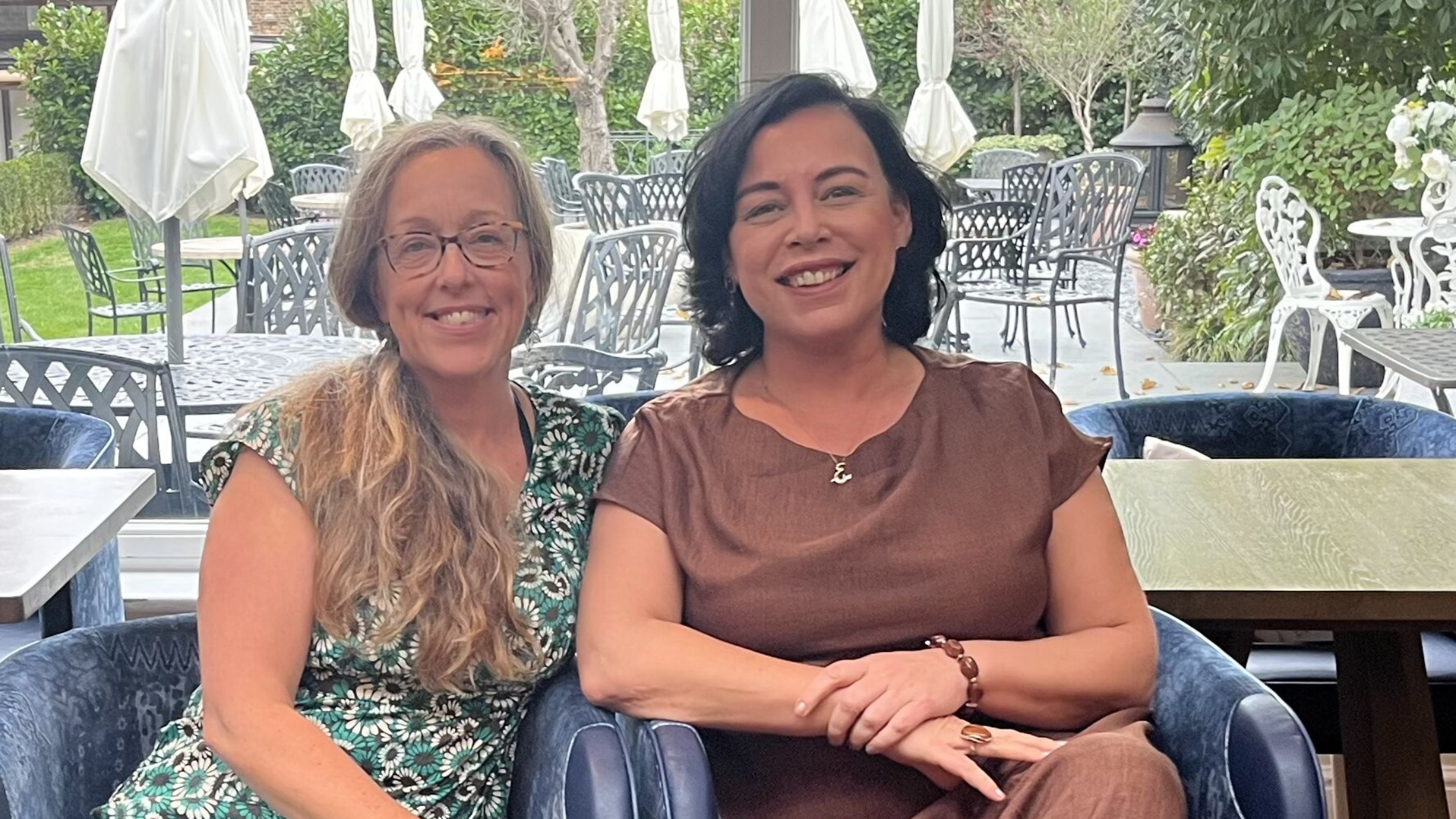
Victoria Brookbank and Haley White | The Founders of MenoMinds
Practical advice for women experiencing perimenopause
If there’s one thing I would tell any woman navigating perimenopause, it’s this: be kind to yourself. When your body is in a heightened stress response, feelings of shame, frustration, or anger can intensify. The most effective antidote is self-compassion — treating yourself with the same care you would offer a child or a close friend.
Despite all of the ups and downs of perimenopause, the most empowering thing I’ve discovered about perimenopause is that I’m not alone, and I will be okay and I want other women to realise this too.
Self-compassion is often misunderstood as simply “being kind to yourself,” but it’s much deeper. It’s a tool to counter shame, guilt, and lack of confidence. This isn’t pouring yourself another glass of wine or buying something else online. This is a deep, innate sense of self-kindness that we can give ourselves, a bit like caring for a young child or a good friend who is suffering. In our Menominds upcoming Academy sessions (spring 2026), women will learn practical ways to practise self-compassion, from breathing exercises to mindful check-ins, helping them feel steadier and more in control.
Education is equally transformative. Understanding the connection between hormones, cognition, and mood helps women reframe what’s happening in their bodies. Realising that hormonal changes affect every cell in the body, including the brain, allows women to stop blaming themselves and replace shame with curiosity and understanding.
Above all, remember: over 75% of women experience menopausal symptoms. You are not alone, you don’t need to feel ashamed or embarrassed, and it’s okay to ask for help.
Other practical tips I’ve found invaluable:
Validation is key: Listen to yourself and others. Sometimes the biggest gift we can give each other is simply acknowledging what we’re going through.
Routine and environment matter: Going to a coworking space, swimming, walking, or being around like-minded women helps me feel grounded and present.
Honesty is professional: If symptoms affect your work, missing a meeting, forgetting a task, being honest about your perimenopause experience allows for understanding and accommodation.
Build your community: Whether online, in-person, or through support groups, having a network of women who understand what you’re going through makes advocating for yourself easier.
Seek professional support when needed: Visiting your GP and discussing symptoms openly can provide guidance and reassurance.
How perimenopause reshapes the work I do
Perimenopause has deeply shaped the way I work with organisations and support women. When I first started my business eight years ago, my focus was broader. Now, I feel like I’m circling back to my original purpose: working directly with women, threading all the tools and insights I believe in into my training.
This journey has taught me resilience. Even on my hardest days, I’ve learned to step back, practise grounding techniques, and remember that tasks will get done in their own time. Honesty, self-compassion, and structured support have become central not only in my personal life but in my professional approach.
Looking forward, the most empowering lesson is that I’m not alone, and I will be okay. My work now integrates this philosophy: creating safe spaces, offering education, and providing practical strategies for women to reclaim control over their wellbeing, confidence, and focus. I love my job, and it reinforces why I do what I do.
Finally, this experience has highlighted gaps for mental health professionals as well. Brain fog, anxiety, and low mood can profoundly affect professional performance. Now, I make sure to incorporate strategies for awareness, grounding, and self-compassion into my own practice and the courses I run. Supporting women through perimenopause isn’t just about coping with symptoms; it’s about helping them flourish.
You don’t have to navigate this alone — join a free MenoMinds workshop
If you’re experiencing perimenopause and feeling overwhelmed, anxious, or unsure of what’s happening, MenoMinds offers a safe and supportive space to explore it. Our free workshops are designed to help you understand the connection between hormones, mental health, and cognition, and, most importantly, to remind you that you’re not alone.
There’s no pressure to share your story. You’re welcome to listen, reflect, and engage at your own pace. Whether you’re at the very beginning of this journey or further along, the workshop offers education and practical tools to help you feel more informed and more in control
Sign up for the next free Mental Health in Menopause Workshop. We look forward to seeing you there.
Important Note:
We are not clinicians and cannot diagnose depression or other mental health conditions. If you’re having thoughts of harming yourself, or you feel like you can’t keep yourself safe, seek urgent help. Contact NHS urgent services, your GP, or a crisis service such as SHOUT (text 85258 in the UK). If you’re in immediate danger, call 999.