Menopause making work harder? Ask yourself these 10 questions

Before you start to doubt yourself or question your capabilities, take a moment to pause and reflect. These 10 questions will help you feel more in control, less alone, and better supported at work during menopause.
At MenoMinds, we know how overwhelming it can feel to navigate work during perimenopause and menopause. As founders, we’ve experienced many of these challenges ourselves and have spent years developing tools and strategies that help women manage symptoms while continuing to work.
Rather than offering another list of tips, sometimes the most powerful thing we can do is take a step back, reflect, and then move forward with greater awareness.
These questions are designed to help women reflect on how they are managing work during this stage of life. Instead of pushing through symptoms, they encourage you to pause, understand what your body really needs, and build supportive strategies that work in real life.
We’re here to help you feel more in control and less alone. Menopause isn’t the end, it’s the beginning of discovering a new way to approach wellbeing and work.
Jump to a section:
1. Meet the MenoMinds Founders
At MenoMinds, we’ve experienced firsthand how challenging it can be to navigate work during perimenopause and menopause. Between fluctuating energy, brain fog, and intense emotional shifts, it can feel like you’re constantly trying to keep up and sometimes losing a grip on things.
That’s why we created MenoMinds: to provide tools, strategies, and support to help women manage symptoms while continuing to work. These questions are drawn from our own experiences, research, and the countless conversations we’ve had with women just like you.
Our goal isn’t to give you another “to-do” list. Instead, we want to help you pause, reflect, and discover strategies that actually work for your life and your body.
So grab a refreshment and your journal or a piece of paper, and get ready to reflect and take a well-deserved moment for yourself.
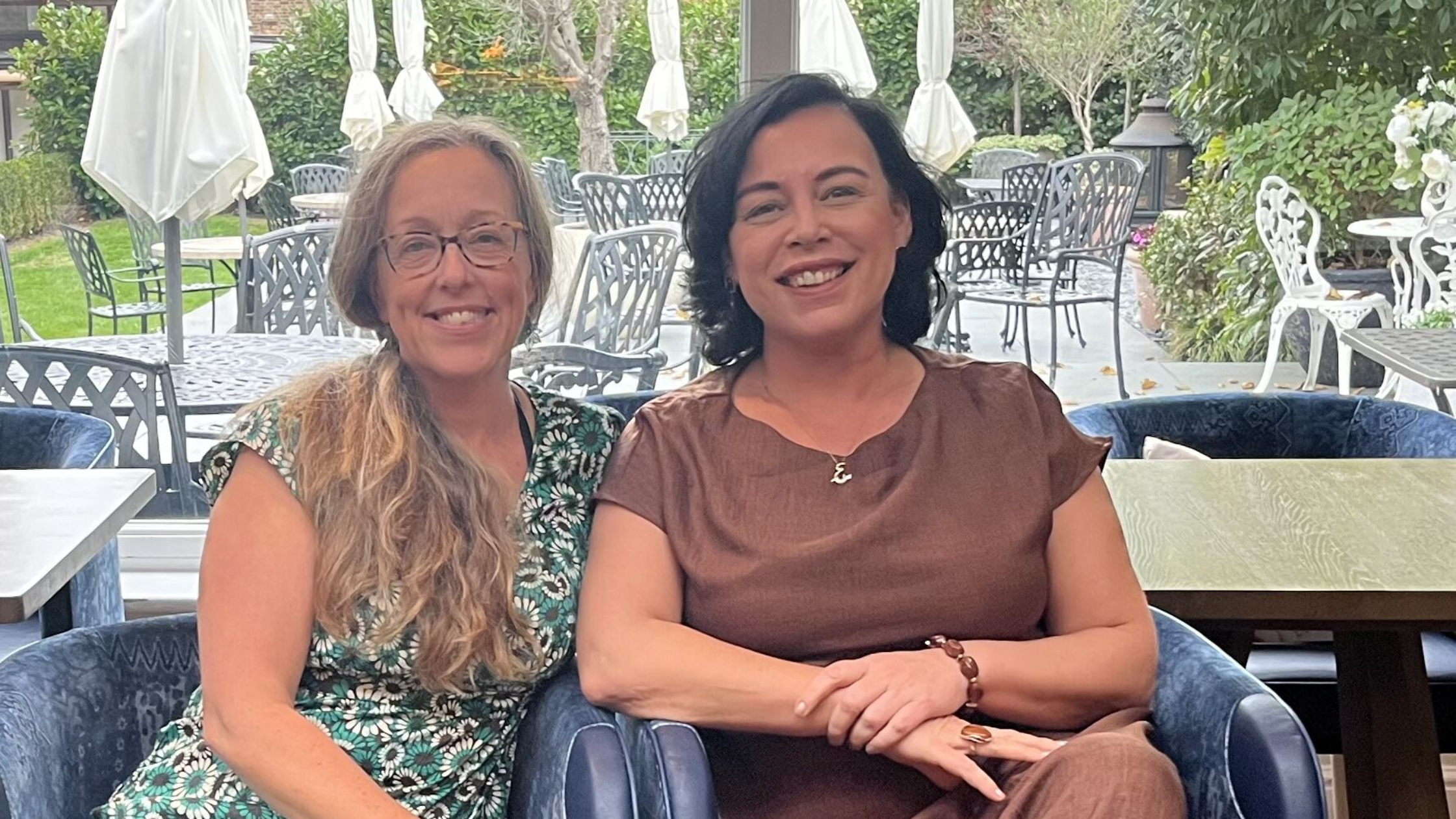
The founders of MenoMinds: Victoria Brookbank [left] & Haley White [right].
2. How do you speak to yourself?
This is arguably the most important question to ask yourself first. Menopause can heighten emotional sensitivity, and it’s easy to be critical of yourself when things feel harder than usual. Ask yourself: What kind of internal dialogue am I having? Be honest and write down what that can look like for you, day to day.
Are you blaming yourself for forgetting things, feeling tired, or struggling to concentrate?
Could you replace criticism with curiosity and support?
Is negative self-talk louder than self-compassion?
A good reframe is to treat yourself as you would a close friend or a young child experiencing a challenge. Using self-compassion doesn’t mean lowering standards or easing the slack or letting things slide; it means giving yourself the support your body and mind need to function at their best.
3. What is your capacity right now?
Your energy and focus will fluctuate throughout perimenopause and throughout life; that’s completely normal. But what is your capacity if you were being truly honest with yourself?
How much can you realistically take on this week or day?
Which tasks require high focus, and which can be handled more flexibly?
How are you feeling? Worn out, at maximum capacity, mentally drained? Or fulfilled and energised?
Being aware of your capacity allows you to plan your work smarter rather than harder and reduces the risk of burnout or “crash” days. Being realistic about your capacity is a key way to work sustainably over time.
Every Sunday, before a new week begins, revisit this question as a reminder of your limits. Allow yourself to take back control, set boundaries confidently, and prioritise the work that matters most. After all, producing work you’re proud of starts with evaluating your capacity.
4. Do you have support systems?
Brain fog, fatigue, or mood changes can feel isolating, especially when it feels like you’re navigating them all alone. This can be even more pronounced if you work in a small organisation or are self-employed, where formal support structures may be minimal or even non-existent.
Take a moment to reflect:
Do you have systems in place to support your work?
Are there tools, like notes, agendas, or reminders, that you rely on to reduce mental load?
Could you reach out to peers, mentors, or online communities for guidance and connection?
External systems aren’t a sign of weakness; they’re a practical and smart way to preserve energy, reduce stress, and maintain confidence, no matter the size of your team or whether you work independently.

5. Are you multitasking too much?
Multitasking can make brain fog worse and increase stress. It can also significantly reduce the standard of work you’re producing.
Before multitasking again, consider these questions first:
Am I trying to do too many things at once?
Could I focus on one task at a time and give it my full attention?
Single-tasking, even in short blocks, often improves focus, productivity, and wellbeing.
6. Does your diary allow you to recover?
This one might make you roll your eyes, but recovery is so important. Too often, we only prioritise wellbeing when it’s too late — when we’re burnt out, unwell, or unsure what to do next.
Your calendar can either drain you or support you; it’s up to you.
Ask yourself:
Are my days packed with back-to-back meetings?
Have I built in buffers or breaks for rest and recovery?
Even small pauses between tasks help your nervous system reset (10-15 minutes away from work can help), giving you more energy, focus, and mental clarity for the rest of your day.
7. How are you planning your week?
Planning isn’t just about tasks and writing out your to-dos; it’s about managing your energy, too. There’s nothing worse than the impending doom of the week ahead on a Sunday afternoon.
We understand that you can’t always avoid work or the tasks that need to get done, but joy is important. Scheduling small “micro-lifts” of joy throughout your calendar gives you something to look forward to and eases the looming stress of the week ahead.
Examples of micro-lifts include:
Prepping your favourite lunch
Watching an episode of your favourite series on YouTube while on the treadmill
Checking in with a friend
Sipping your favourite tea
Getting up a little earlier to enjoy a slower start to the day
Spending 10 minutes in the fresh air
Reflect:
Am I scheduling demanding tasks when my energy is highest?
Am I leaving lighter tasks for low-energy periods?
How do I feel about my week ahead? Have I got pockets of joy, too?
A weekly ritual that accounts for both workload and energy levels gives you structure without overextending yourself.
8. How are you moving your body?
Movement is a powerful way to support both physical and mental health, and it can also improve focus and help manage some menopause symptoms. We know how hard it can be to feel up to exercising, especially when you’re tired or feeling a little low. However, moving your body doesn’t always require intense workouts or hour-long stints at the gym.
In fact, as long as you move your body in some way and enjoy the process, that’s good enough.
Ask yourself:
Am I exercising regularly or spending time outdoors?
Could I integrate short walks, classes, or gentle movement into my week?
Movement helps regulate your nervous system, boosts mood, and improves endurance. Exercise can also be a way to connect with others, giving both physical and social benefits.
9. Am I connected to other women going through menopause?
Menopause can feel isolating, especially if you’re navigating work and life changes on your own.
Reflect:
Do I have peers, friends, or colleagues I can talk to about my experience?
Could I connect with communities, support groups, or networks like MenoMinds to share experiences and get guidance?
Even small connections, whether through informal chats or structured support, can reduce stress, provide perspective, and help you feel less alone.
10. Am I putting myself first?
Menopause is a time to rethink priorities and make space for your wellbeing.
Reflect:
Am I setting boundaries at work and in life to protect my energy?
Do I make time for activities that support my mental and physical health?
Could joining a MenoMinds workshop help me learn practical ways to prioritise myself, from self-compassion exercises to mindful check-ins?
Putting yourself first isn’t selfish; it’s essential for sustaining energy, focus, and confidence during this stage of life.
Take the next step with us
You don’t have to navigate work and menopause alone. Reflecting on these questions is a powerful start, but connecting with others and learning practical strategies can make a real difference. We’ve supported hundreds of women to navigate this stage of their lives with confidence, calmness, and control.
Join a free, CPD-accredited MenoMinds workshop to explore tools for self-compassion, energy management, and wellbeing, and connect with women who truly understand what you’re experiencing; they’re going through it too.
Important Note:
We are not clinicians and cannot diagnose depression or other mental health conditions. If you’re having thoughts of harming yourself, or you feel like you can’t keep yourself safe, seek urgent help. Contact NHS urgent services, your GP, or a crisis service such as SHOUT (text 85258 in the UK). If you’re in immediate danger, call 999.