What to do when perimenopause anxiety wakes you at 3am
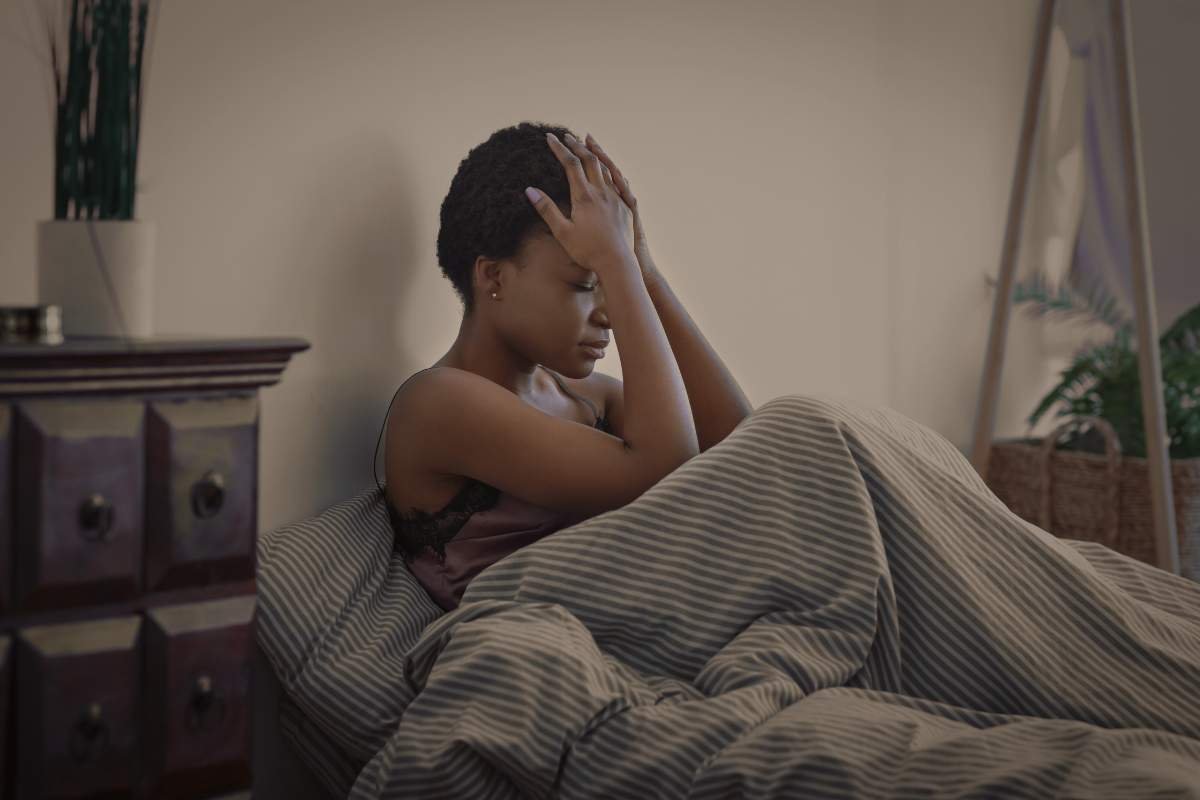
For many women, one of the most unsettling aspects of perimenopause is what happens in the middle of the night. You fall asleep exhausted, only to wake a few hours later with a racing heart, a tight chest and an overwhelming sense of dread that seems to come from nowhere.
Why anxiety often peaks at night during perimenopause
This sudden wake up often happens around 3am. The house is quiet. Your body is tired but your mind is anything but. Thoughts arrive quickly and feel urgent: Why am I awake again? What’s wrong with me? How will I cope tomorrow if I don’t sleep? For women who work for themselves, run small businesses, or carry significant responsibility, the anxiety can feel particularly sharp. There is no buffer. No margin for error. Tomorrow matters.
What makes this experience especially distressing is that many women report they used to sleep well. Even during busy or stressful periods earlier in life, sleep came eventually. Now, despite being exhausted, the body seems to override rest entirely. This is not imagined. And it is not a personal failing. It is a common and often misunderstood feature of the perimenopause transition.
Perimenopause is characterised by significant hormonal fluctuation, particularly in oestrogen and progesterone. These hormones do far more than regulate the menstrual cycle. They play a key role in mood regulation, temperature control, stress response and sleep quality. As hormone levels rise and fall unpredictably, the nervous system can become more sensitive. This sensitivity is often most noticeable at night, when the body is naturally transitioning between sleep stages and cortisol (the stress hormone) begins to rise in preparation for waking.
For some women, this hormonal and neurological shift triggers a sudden stress response during the early hours of the morning. Adrenaline is released, heart rate increases and the body moves into a state of alert even though there is no immediate threat. In other words, the body behaves as though something is wrong, long before the mind has had a chance to catch up. This explains why night-time anxiety can feel so physical: the pounding heart, the sinking sensation in the stomach, the restlessness or nausea. It is a bottom-up experience, driven by physiology rather than conscious worry.
Crucially, this means night-time anxiety in perimenopause is not caused by “thinking too much”. The thoughts come after the physiological response, as the brain tries to make sense of what the body is feeling. Understanding this distinction matters. It removes blame and opens the door to more effective, compassionate ways of responding.
How anxiety fuels unhelpful thinking at 3am
Once the nervous system is activated, the mind rarely stays quiet. In the early hours of the morning, cognitive flexibility is reduced as the brain is tired, emotional regulation is lower, and your perspective narrows, the perfect environment for unhelpful thinking patterns to take hold.
Many women describe their thoughts at 3am as more convincing, more catastrophic and more personal than they would be during the day. This is not because the thoughts are more accurate but because the brain’s threat system is dominant. These patterns are often referred to as thinking distortions or automatic mental habits that exaggerate risk, reduce nuance and increase self-criticism. During perimenopause, when confidence may already feel more fragile, these distortions can be particularly powerful.
At night, they tend to cluster around three themes:
Fear about coping (“I won’t manage tomorrow”)
Fear about permanence (“This will never end”)
Fear about identity (“I’m not who I used to be”)
Left unchecked, these thoughts intensify anxiety and make returning to sleep much harder. The body stays alert because the mind is reinforcing the idea that something is wrong. This is why addressing night-time anxiety requires more than reassurance. It requires an understanding of how physiology thought patterns and emotional responses interact and how to gently interrupt that cycle.
Common thinking distortions that appear at night
Several thinking distortions show up repeatedly during perimenopause-related anxiety. Becoming familiar with them can reduce their impact.
All-or-nothing thinking
This distortion frames experiences in extremes: coping or failing, functioning or falling apart.
At 3am, it often sounds like:
“If I don’t sleep properly, tomorrow will be a disaster.”
“If I feel this anxious, I must be losing control.”
Fatigue strips away nuance. Yet experience shows that women continue to function, adapt and lead even after broken sleep. A difficult night does not determine the entire day. A more balanced response might be: This is uncomfortable, but it does not define my capacity.
‘Should’ statements
‘Shoulds’ reflect internalised expectations about how we believe we ought to cope.
“I should be handling this better.”
“I shouldn’t need support.”
These thoughts are often rooted in outdated standards from earlier stages of life before hormonal changes altered sleep, energy and emotional resilience. Rather than motivating change, ‘shoulds’ tend to generate shame. Recognising that support needs evolve is a key part of adapting to perimenopause.
Catastrophising
Catastrophising involves jumping quickly to worst-case scenarios.
At night, this might include:
“I’ll never get back to sleep.”
“This anxiety means something is seriously wrong.”
In reality, these thoughts reflect a heightened stress response rather than actual danger. The nervous system is reacting not predicting the future accurately. Be kind to yourself in this moment.
Mind-reading
Many women report increased self-consciousness during perimenopause, particularly around competence and reliability.
“People must think I’m not coping.”
“I must seem unprofessional.”
These assumptions are rarely supported by evidence. They reflect anxiety, not fact and often echo long-standing societal expectations placed on women to remain capable at all times. We are more than our menopause anxiety.
Responding to 3am anxiety with practical compassion
Awareness of thinking distortions is useful, but insight alone is rarely enough at 3am. What matters is having tools that work with the nervous system, not against it. Two practices consistently shown to support emotional regulation during anxiety are gratitude and self-compassion.
Why gratitude can help in the middle of the night
Gratitude is often misunderstood as forced positivity. In reality, it is a grounding practice that helps shift the brain out of threat mode. At night, this does not mean reflecting on your whole life or future. It means gently orienting attention toward small, neutral or comforting details in the present moment with warmth, stillness, and safety. This subtle shift supports parasympathetic activation lowering stress hormones, slowing heart rate and easing physical symptoms of anxiety.
The goal is not to eliminate anxiety instantly, but to reduce its intensity enough for the body to settle. Cultivate gratitude towards small things you have experienced the previous day, the warmth of the sunshine on your skin, sharing a coffee with a friend, the book you are reading or something that made you smile.
The power of self-compassion
Self-compassion involves responding to distress with kindness rather than judgement. During perimenopause, when self-criticism and shame can surface more easily, this practice becomes particularly important. Research consistently links self-compassion with reduced anxiety, improved emotional regulation and greater resilience. It creates a sense of safety, something the nervous system needs in order to rest. View our self-compassion resource.
Self-compassion is not indulgent. It is a wise and skilful way of supporting your mental health at any time. Try our guided practice led by Victoria : listen to Victoria’s self-compassion meditation.
When to seek additional support
If disrupted sleep and anxiety are significantly affecting daily functioning, it is important to speak with your GP. There are a range of treatment options and supportive approaches available during perimenopause. If starting that conversation feels difficult, resources such as the Talking to Your GP About Menopause toolkit within the free MenoMinds course can help.
Perimenopause anxiety at night can feel frightening and isolating, but it is a recognised and common experience. With understanding, practical tools and compassionate support, it is possible to move through this phase with greater steadiness and confidence. At MenoMinds, we offer a gentle, structured programme to help you understand your experience, develop practical coping tools and build confidence during perimenopause. While it isn’t a medical service, it provides expert-led, evidence-based guidance and a safe, supportive space to explore what you’re going through.